Top Garaga Door Suppliers for Global Buyers?

Choosing a garaga door supplier for an international project involves more than comparing online prices. Buyers must examine product specifications, manufacturing experience, export capability, and long-term support. A reliable supplier should explain panel construction, insulation ratings, hardware quality, glazing options, and available finishes without hiding technical limitations.

Details matter.

A door may look impressive in a showroom yet perform poorly in a coastal warehouse, a cold Canadian home, or a high-wind region. Supplier evaluations should include documented testing, clear warranty terms, replacement-part access, packaging standards, and realistic delivery schedules. Import duties and installation requirements also deserve attention. These practical issues are often overlooked during early purchasing decisions.

Mike Holmes, a respected construction expert, often repeats the principle, “Do it right. Do it once.” That idea suits garage door sourcing, although it is not always easy to follow. The lowest quotation can become expensive when panels arrive damaged, measurements are unclear, or local technicians cannot obtain compatible parts. This guide reviews leading Garaga door suppliers for global buyers through a practical lens. It considers product consistency, communication quality, customization, logistics, and after-sales reliability.

No supplier is perfect.

Even established companies may have regional limitations, slower responses, or restricted product availability. Buyers should verify claims independently and request current documentation before placing an order. A careful comparison may require more time, but it can reduce costly surprises and support a safer, better-fitting installation.

Top Garaga Door Suppliers for Global Buyers?

What Garaga Doors Are and Why Global Buyers Consider Them

Garage doors of this type are insulated sectional doors made from hinged panels. The panels move vertically, then rest horizontally beneath the ceiling. This design saves driveway space and supports smooth daily operation. Steel skins, foam cores, weather seals, and reinforced hardware commonly form the structure. Buyers should confirm panel thickness, insulation performance, and track quality rather than trust appearance alone.

Global buyers often consider these doors for practical reasons. Insulation can help stabilize temperatures in garages attached to homes or workshops. Sealed edges may also reduce drafts, dust, and rainwater entry. In coastal or high-wind regions, stronger brackets and tested wind ratings matter greatly. Local climate data and building requirements should guide the specification. A door suitable for a cold warehouse may perform poorly in a humid coastal district.

Installation experience affects the result. Accurate opening measurements prevent uneven gaps and unnecessary service visits. Importers should request technical drawings, spare-part details, operating limits, and clear warranty terms. Safety features, including pinch protection and automatic reversal, deserve close inspection. No door is perfect. Insulation claims can disappoint when the surrounding walls remain unsealed. I would also examine replacement access, because a beautiful door becomes inconvenient when one small component takes months to obtain.
Top Garage Door Suppliers for Global Buyers? — What Garage Doors Are and Why Global Buyers Consider Them

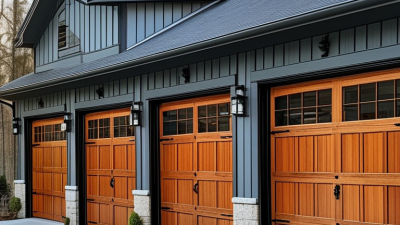
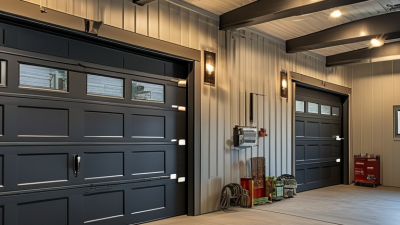
Garage doors are large movable doors designed to secure vehicle entrances while providing access, weather protection, and insulation. The chart shows common nominal residential garage-door widths used across many markets; actual sizes and availability vary by region, building design, and supplier.

Global buyers typically compare suppliers by available dimensions, construction materials, insulation performance, safety systems, customization options, installation support, and export capability rather than by brand name alone.

How to Identify Reliable Garaga Door Suppliers

Choosing a reliable garage door supplier requires more than comparing online prices. Experience shows that attractive product photos can hide weak materials, unclear specifications, or poor after-sales support. Photos are not proof.

Ask for detailed drawings, material grades, insulation values, hardware lists, and tested wind-load data. A dependable supplier should explain panel thickness, spring cycles, surface treatment, and expected service life clearly. Request a physical sample when possible. It can reveal uneven coating, sharp edges, or loose fittings before a large order.

Supplier verification also matters. Review factory certifications, export experience, inspection procedures, and recent customer references. An independent inspection before shipment may expose packaging damage or incorrect quantities. Check warranty wording carefully, including response times, replacement parts, and labor coverage. Some suppliers promise fast support but answer slowly after payment. That is a warning.

Communication offers useful evidence. Reliable teams confirm measurements, loading requirements, delivery terms, and installation conditions in writing. They should identify risks instead of agreeing to every request. A supplier who asks about climate, opening size, usage frequency, and local installation skills is usually more professional.

Still, no checklist is perfect. I once treated a low price as efficiency, then discovered higher costs for missing hardware and delayed replacements. A careful review may feel slower, but it protects the project budget and schedule.

Top Garaga Door Suppliers for Global Buyers? - How to Identify Reliable Garaga Door Suppliers

Evaluation Dimension Practical Buyer Benchmark Evidence to Request Why It Matters Suggested Weight
Quality management system A current ISO 9001:2015 certificate covering design, manufacturing, or distribution activities relevant to the offered doors. Certificate number, scope, issuing body, validity dates, and latest audit status. Provides evidence of documented processes, corrective actions, and controlled production procedures. 15%
Product compliance Applicable conformity documentation for the destination market, including safety, electrical, and machinery requirements where relevant. Declaration of Conformity, test reports, technical file summary, installation instructions, and risk assessment. Reduces customs, installation, insurance, and product-liability risks. 15%
Door performance data Documented values for dimensions, panel or curtain construction, thermal performance, wind resistance, operating cycles, and sound performance where applicable. Technical data sheet, drawings, laboratory reports, tolerances, and stated test methods. Allows buyers to compare products using measurable specifications rather than marketing claims. 15%
Customization capability Supplier can confirm maximum and minimum sizes, panel configurations, glazing options, colors, tracks, hardware, controls, and mounting conditions before quotation. Approved shop drawings, configuration checklist, sample quotation, and engineering-change procedure. Prevents dimensional conflicts and unexpected surcharges during production or installation. 10%
Production capacity Capacity should be demonstrated against the buyer’s forecast, with a documented normal lead time and peak-season plan. Production schedule, capacity statement, sample order timeline, and evidence of material availability. Helps identify suppliers that can support repeat orders instead of only one-off projects. 10%
Lead-time reliability Request a written production lead time, shipping preparation time, and escalation process; use delivery performance data for repeat suppliers. Recent on-time-delivery records, order milestones, and late-order corrective-action reports. Reliable schedules are essential for construction projects and distributor inventory planning. 10%
Export and packaging controls Packaging must protect panels, tracks, glazing, hardware, and motors during multimodal transport and warehouse handling. Packaging specification, loading photos, moisture protection method, carton markings, and packing list format. Reduces transit damage, missing components, and installation delays. 8%
Commercial terms Quotation should clearly state product price, tooling, samples, packaging, payment schedule, delivery term under Incoterms® 2020, and validity period. Signed quotation, pro forma invoice, cost breakdown, and change-order terms. Makes total landed cost and contractual responsibilities easier to compare. 8%
Warranty and spare parts Warranty scope, exclusions, claim procedure, response time, and spare-parts availability should be stated in writing before purchase. Warranty document, parts list, replacement lead times, service contacts, and claim form. Supports long-term operation and limits downtime after installation. 5%
Communication and technical support Pre-sales questions should receive complete written answers, with a named technical contact and documented installation support. Response samples, installation manuals, troubleshooting guides, training options, and service-level commitments. Clear communication prevents specification errors and accelerates problem resolution. 4%
Total recommended evaluation weight 100%

Note: The percentages are a buyer-side screening framework, not legal requirements. Confirm all compliance obligations with the destination country, project consultant, customs broker, and qualified testing or certification bodies.

Key Product Features and Customization Options to Compare

Top Garaga Door Suppliers for Global Buyers?

When comparing Garaga door suppliers, examine product features before focusing on price. Experienced suppliers should explain panel construction, insulation ratings, operating cycles, and weather resistance. A well-built door should open smoothly and remain stable during temperature changes. Ask for tested load data, maintenance guidance, and installation tolerances. Clear technical documents show professional knowledge and improve purchasing reliability.

Customization can include panel color, surface texture, window placement, glazing type, hardware finish, and opening dimensions. Some projects also require reinforced panels, higher insulation, or corrosion-resistant components. Confirm whether custom sizes affect lead time, packaging, or replacement-part availability. Request drawings before production. Small measurement errors can create expensive installation problems.

In my experience, supplier communication often reveals more than a polished catalog. Can they explain performance limits in plain language? Do they provide samples, inspection photos, and consistent specifications? A perfect specification rarely exists. I once underestimated the value of local climate data; strong wind and humidity changed the practical choice. Buyers should compare warranties carefully, since coverage may exclude installation errors or routine wear. Details matter.

International Ordering, Shipping, and Compliance Requirements

Global buyers should treat garage-door sourcing as a compliance project, not a catalogue purchase. Ask suppliers for a commercial invoice, packing list, HS classification, country of origin, and technical drawings. The World Bank’s 2023 Logistics Performance Index surveyed 4,090 logistics professionals across 139 countries. Its findings emphasize customs, tracking, and delivery reliability. These details matter when containers hold steel panels, springs, motors, and control units.

Define Incoterms 2020 in writing before ordering. FOB, CIF, and DDP allocate costs and responsibilities differently. Confirm who handles export clearance, marine insurance, destination duties, unloading, and damage claims. Sea freight carries over 80% of global merchandise trade by volume, according to UNCTAD’s Review of Maritime Transport 2023. Port delays can disrupt installation schedules. Request moisture-resistant packing, corner protection, serial-number photos, and pre-shipment inspection. Suppliers sometimes promise “door delivery” without defining final-mile coverage.

Compliance depends on the destination and product configuration. Verify safety, electrical, radio, building, labeling, and energy-efficiency requirements with the importing authority. A motorized door may need different documents than a manual sectional door. Request accredited test reports, applicable conformity declarations, warranty terms, and spare-parts availability. Check every document against the exact model. This is often missed. Document everything. Payment should follow verified milestones, not attractive quotations alone. Allow time for corrected paperwork before customs clearance.

How to Evaluate Pricing, Warranties, and After-Sales Support

Global Garage Door Suppliers: Evaluating Pricing, Warranties, and After-Sales Support

Price comparisons should begin with the complete landed cost, not the factory quote. Ask whether packaging, loading, freight, insurance, and replacement parts are included. Request the same specifications from every supplier. Panel thickness, insulation value, hardware grade, and motor capacity can change the final price significantly. A low quote may hide weaker springs or thinner tracks. That mistake becomes expensive after installation. Check payment terms and confirm delivery dates in writing. Currency changes can also affect your budget.

A reliable warranty should state its duration, coverage, exclusions, and claim process. Look for separate terms covering panels, springs, motors, and surface finishes. Ask who pays shipping for defective components. Some warranties appear generous but exclude installation errors, coastal corrosion, or ordinary wear. These details matter. Request sample warranty documents before ordering. An independent inspection may also verify materials and dimensions before shipment. It costs extra, but it can prevent a larger loss.

After-sales support deserves the same attention as pricing. Confirm response times, technical contact methods, spare-part availability, and troubleshooting procedures. Suppliers should provide installation drawings, maintenance schedules, and clear video guidance. Ask whether replacement parts remain available for several years. Speak with recent international customers when possible. Their feedback may reveal delays that sales materials never mention. My own evaluation would not rely on one impressive quotation; supplier promises sometimes sound clearer than their actual service.