Choosing the best Led Screen Panels from China requires more than comparing prices or counting pixels. A reliable decision begins with the screen’s real operating environment. Indoor retail walls need different brightness, protection, and pixel pitch than outdoor stadium displays. A panel that looks impressive in a showroom may perform poorly under direct sunlight.
Bob Raikes, founder of Large Display Monitor, offers a useful principle: “The best display is not always the brightest one; it is the one that fits the application.” This idea should guide every supplier comparison. Examine cabinet weight, receiving-card stability, refresh rate, color calibration, heat management, and front or rear maintenance access. Ask for measured brightness, not only advertised figures. Request factory videos, test reports, installation references, and a sample panel before placing a large order.
Details matter. A 500 × 500 mm cabinet may simplify rental staging, while a fine-pitch panel can create a smoother image in a conference room. Outdoor projects also need suitable IP protection, sealed connectors, and dependable power supplies. Warranty terms deserve equal attention. A low-cost quotation can become expensive when spare modules arrive late or technical support responds slowly.
There is no universal winner. That is the difficult part. Some buyers overvalue resolution and underestimate service quality. Others accept attractive specifications without checking viewing distance. This article compares leading Chinese Led Screen Panels through performance, durability, maintenance, supplier experience, and total ownership cost. The conclusions remain practical, but not absolute. Real venues, budgets, and installation conditions can change the final choice.
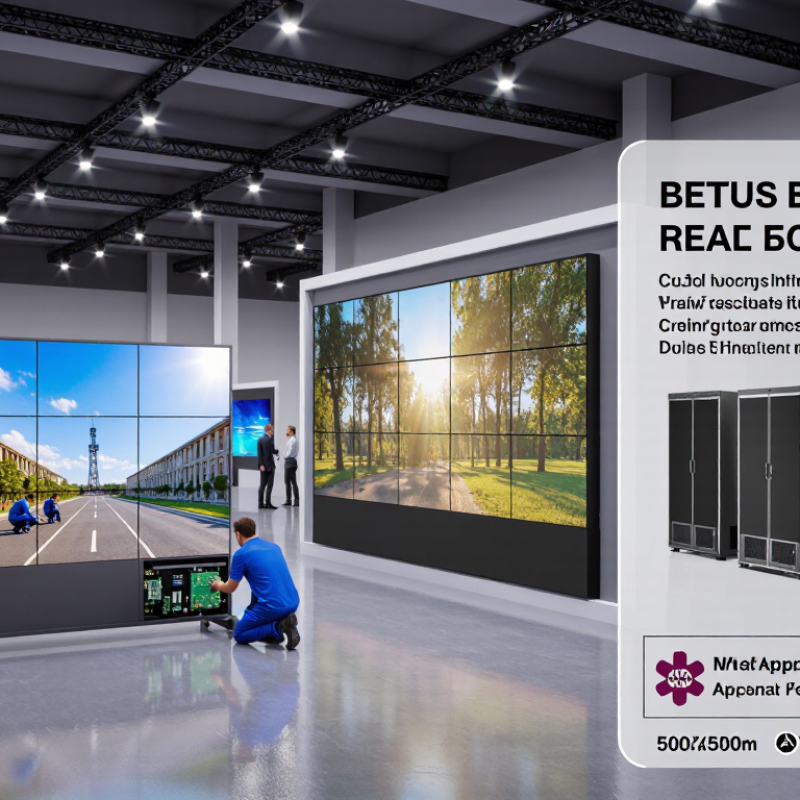
A high-quality LED screen panel from China is defined by performance, consistency, and honest documentation. Pixel pitch should match the viewing distance, not simply the buyer’s budget. A fine-pitch panel may look sharp indoors, while a wider pitch can perform better on large outdoor displays. Brightness, contrast, refresh rate, and color uniformity should be tested under real operating conditions.
The cabinet should feel rigid, align cleanly, and leave minimal gaps between panels. Reliable panels use stable power supplies, protected connectors, and practical front or rear maintenance access. For outdoor use, check the stated IP rating and inspect sealing around modules and cables. Factory quality control also matters. Ask for aging-test records, calibration results, component specifications, and independent safety documentation. A serious supplier should explain weaknesses, not only advertise peak brightness.
Tips: Request a sample panel before placing a large order. Run it for several days with video, text, and fast motion. Check gray-scale detail, fan noise, heat, dead pixels, and brightness changes. Compare the sample with the production batch later. Specifications can look excellent on paper, yet field performance may differ. I have found that installation support and spare-module availability often matter more than a small price reduction. No panel is perfect, so inspect carefully and record every agreed detail.

Reference performance benchmarks for common LED screen applications
High-quality LED panels are typically evaluated by brightness, refresh rate, viewing environment, pixel pitch, and weather protection. Indoor fine-pitch panels commonly use pitches around 1.2–1.5 mm and brightness near 800–1,200 nits, while outdoor fixed-installation panels often require approximately 5,000–6,500 nits and IP65-level protection. A refresh rate of 3,840 Hz or higher is widely used for camera-friendly performance and smooth motion.
The chart shows representative engineering targets rather than data from any specific company or brand.
What Are the Best LED Screen Panels from China?
Chinese LED screen panels are available in several practical formats. Indoor fine-pitch panels suit meeting rooms, retail displays, and control centers. They produce sharp images at close viewing distances. Outdoor SMD panels offer higher brightness and weather protection for stadiums, buildings, and roadside advertising. Rental panels use lightweight cabinets with quick-lock connections. They work well for concerts, exhibitions, and temporary events.
COB panels provide a smoother surface and better protection against minor impacts. Transparent panels allow daylight through glass façades. Flexible panels can follow curved columns or creative structures. However, flexible designs may require more careful installation. Poster-style screens are compact and easy to move, but they usually provide less visual impact than large cabinets.
Tips: Match pixel pitch with viewing distance, not personal preference. Check brightness, refresh rate, cabinet weight, and service access. For outdoor use, request documented waterproofing tests and thermal performance data. A front-service panel can reduce maintenance time in tight spaces. Ask for sample footage before ordering. Specifications alone can mislead. In real installations, connectors, power supplies, and cabinet alignment affect performance greatly. No panel is perfect. A cheaper option may save money initially, yet frequent repairs can change the final cost. Reliable suppliers should explain limitations clearly and provide consistent testing records.
Comparing Chinese LED screen panels starts with pixel pitch, not price. A 1.5 mm pitch suits close indoor viewing, while 4 mm or 6 mm often works better for distant outdoor audiences. Measure the real viewing distance before choosing. A showroom sample can mislead you.
Check brightness in actual conditions. Indoor panels may need 800–1,500 nits, while outdoor displays often require 5,000 nits or more. Excessive brightness can waste energy and reduce viewing comfort. Ask for measured data, not only catalog claims. Refresh rates above 3,840 Hz usually provide smoother camera images, especially during live events. Grayscale performance also matters when dark scenes show faces, shadows, or smoke.
Cabinet weight, front or rear maintenance, and module access affect installation costs. Look for clear IP ratings, stable power supplies, spare modules, and documented calibration procedures. In my experience, a lightweight cabinet can save labor, but it may feel less rigid during repeated transport. That trade-off deserves attention. Ask for uniformity test videos, aging-test records, and sample measurements from several cabinets. One sample is not enough. Warranty terms should identify response times, replacement procedures, and remote technical support. Specifications are useful, but consistency across production batches is more important. I would also compare power consumption at typical brightness, not only maximum power. That figure is often overlooked.
Chinese LED screen panels are now used far beyond large outdoor billboards. Their main applications include retail displays, concerts, sports venues, transport hubs, classrooms, and control rooms. Each environment demands a different design.
In retail stores, fine-pitch LED panels create bright product walls behind counters or windows. High brightness helps images remain visible under strong lighting. However, excessive brightness can make a small store uncomfortable. Indoor panels with stable color calibration usually perform better. In event venues, rental LED screens need lightweight cabinets, quick connections, high refresh rates, and strong corner protection. Smooth video matters when cameras capture the screen.
Transportation hubs use large LED walls for schedules, directions, and emergency announcements. Here, viewing distance, wide angles, ventilation, and dependable operation are important. Outdoor installations require weather-resistant cabinets, secure mounting, and brightness adjustment for changing daylight. A beautiful display can still fail if maintenance access is poor.
Chinese LED technology also supports meeting rooms and control centers. Fine pixel spacing allows operators to read maps, camera feeds, and detailed data from nearby seats. Reliable suppliers should provide test reports, installation guidance, spare modules, and clear warranty terms. Field experience shows that planning often focuses too much on screen size. Power supply quality, heat management, and service response can matter more over several years. The first specification is rarely perfect.
What Are the Best LED Screen Panels from China?
Selecting a reliable Chinese LED screen manufacturer requires more than comparing pixel pitch and quoted prices. In real projects, I inspect production capacity, quality controls, and communication habits before making a decision. A factory tour, even through a live video call, can reveal useful details. Look for organized component storage, calibrated testing equipment, and technicians checking cabinet alignment. Small gaps between panels may become obvious on a large screen.
Ask for measurable specifications, not broad promises. Confirm brightness, refresh rate, viewing angle, power consumption, and protection ratings for the intended environment. Request a production sample and test it for color consistency, heat, noise, and signal stability. Independent inspection reports can support the manufacturer’s claims. However, certificates should be verified with the issuing organization. Paperwork alone proves little.
Reliable suppliers explain their warranty terms, spare-parts policy, installation guidance, and response times. They should also provide clear drawings, packing details, and a realistic delivery schedule. I once considered a low quotation attractive, but overlooked the cost of replacement modules and local labor. That was poor planning. Ask for references from comparable installations and speak with previous customers when possible. One more practical check matters: confirm that the finished system meets the electrical and safety requirements of its installation country.
| Evaluation Dimension | Typical Data or Recommended Range | Why It Matters | Evidence to Request from the Manufacturer |
|---|---|---|---|
| Indoor fine-pitch panel | Pixel pitch: 1.25–2.5 mm Brightness: approximately 600–1,500 nits Refresh rate: 1,920–3,840 Hz | Suitable for meeting rooms, control rooms, broadcast studios, retail spaces, and close viewing distances. | Native-resolution test images, color-uniformity results, grayscale test, and a sample panel for visual inspection. |
| Standard indoor panel | Pixel pitch: 2.6–4.0 mm Brightness: approximately 800–1,500 nits Typical average power: about 180–300 W/m² | Provides a practical balance between image quality, viewing distance, cabinet cost, and energy use. | Complete technical datasheet, power test conditions, cabinet weight, installation drawings, and warranty terms. |
| Outdoor fixed-installation panel | Pixel pitch: 3.9–10 mm Brightness: approximately 4,500–7,000 nits Front protection: typically IP65 or higher when properly assembled | Designed for sunlight, longer viewing distances, changing weather, and continuous operation. | Ingress-protection test documentation, thermal test results, outdoor burn-in records, and cabinet sealing details. |
| Rental or touring panel | Cabinet size commonly around 500 × 500 mm or 500 × 1,000 mm Lightweight die-cast cabinet Fast-lock assembly and front or rear service access | Reduces setup time and supports repeated installation, dismantling, transportation, and maintenance. | Mechanical drawings, lock-cycle test results, corner-protection details, spare-part list, and packing specifications. |
| LED module consistency | Uniformity target: typically at least 97% for brightness and color in a properly calibrated screen Consistent binning across the project | Reduces visible color blocks, brightness differences, and replacement-module mismatch. | Calibration report, module-binning policy, batch traceability, and photographs or video of a full-screen white and gray test. |
| Refresh rate and camera performance | Recommended: at least 1,920 Hz for general video 3,840 Hz or higher for broadcast, livestreaming, and professional camera work | Higher refresh rates can reduce scan lines, flicker, and rolling-band artifacts in recorded video. | Camera test at multiple shutter speeds, refresh-rate setting, scan-mode information, and receiving-card specifications. |
| Thermal management | Operating temperature commonly around −20°C to +50°C, depending on model Temperature monitoring and controlled airflow recommended | Stable temperature control helps protect LEDs, power supplies, driver ICs, and image consistency. | High-temperature test report, thermal design drawings, fan specifications, and operating-temperature limits. |
| Electrical safety and power design | Input: commonly 100–240 V AC Power factor: preferably at least 0.95 Separate power and signal paths recommended | Improves electrical efficiency, installation safety, and maintenance reliability. | Power-supply certificates, electrical schematics, grounding instructions, power-factor data, and protection functions. |
| Quality-control process | Recommended checkpoints: incoming inspection, module aging, cabinet assembly, full-screen test, packing inspection, and final burn-in | A documented process is more reliable than a product specification alone. | Quality-control flowchart, inspection records, defect-acceptance criteria, and sample production reports. |
| Certifications and compliance | Relevant documentation may include CE, RoHS, EMC, LVD, FCC, or other requirements applicable to the destination market | Ensures that the screen is suitable for the electrical, environmental, and regulatory requirements of the installation location. | Current certificates showing the exact model, certificate holder, testing laboratory, validity, and applicable standards. |
| Warranty and spare parts | A written warranty of at least 2 years is commonly requested Recommended spare modules: approximately 2–5% of the installed quantity | Shortens downtime and simplifies repairs during the operating life of the display. | Warranty exclusions, response-time commitment, spare-parts pricing, repair procedure, and long-term component availability. |
| After-sales and technical support | Support should cover configuration, remote diagnostics, installation guidance, replacement procedures, and software updates | Responsive support can have a greater effect on total ownership cost than the initial panel price. | Service-level agreement, escalation contacts, training materials, remote-support process, and references for comparable installations. |
Note: Performance ranges are typical industry reference values. Final specifications should be confirmed through the manufacturer’s current datasheet, sample testing, project conditions, and destination-market compliance requirements.

Since 1984, Thermostop has been a reputable manufacturer of Industrial Sectional Doors, Cold Storage Doors and Specialty Doors such as Impactable Breakaway doors, Acoustic Doors and Ballistic Doors.
Contact