Choosing the best rolling steel garage door is rarely a simple matter of price or thickness. A warehouse manager may prioritize security, while a service garage may value speed, insulation, and easy repairs. The right decision depends on opening size, traffic frequency, weather exposure, and available maintenance support. Real buildings are messier.
Industry guidance provides a stronger starting point. The Door and Access Systems Manufacturers Association (DASMA) publishes technical resources covering rolling door construction, safety practices, wind loading, and operational performance. NFPA 80 also addresses the installation and maintenance of fire doors, where applicable. These standards remind buyers that a door is not merely a steel curtain. It is a moving system involving guides, springs, operators, sensors, and structural attachments.
Market research adds useful context. Grand View Research’s industrial doors market analysis identifies durability, security, energy efficiency, and automation as major purchasing influences. The U.S. Department of Energy’s commercial building studies also show why uncontrolled air movement can affect building energy use. However, broad market reports cannot select one door for every property. That assumption is convenient, but incomplete. A heavily used loading bay may need a high-cycle rolling steel garage door with a stronger operator. A smaller private garage may benefit more from corrosion protection and simpler servicing. This guide compares those practical differences, using recognized standards, manufacturer specifications, and field-focused considerations to identify which door performs best for a specific application.
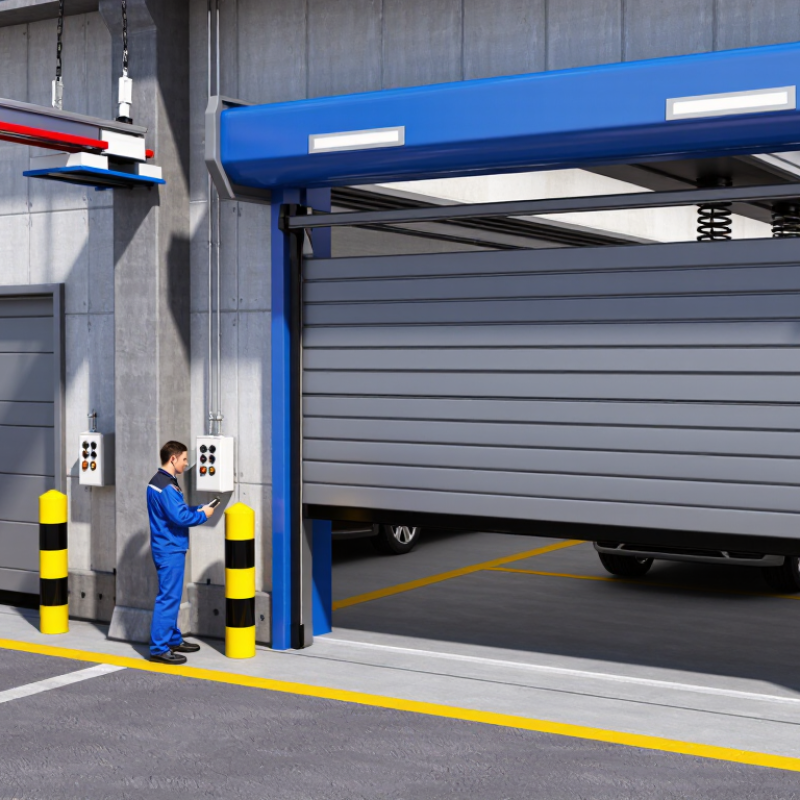
A rolling steel garage door is a curtain made from connected steel slats. It moves vertically and coils around a barrel above the opening. Side guides keep the curtain aligned during operation. Unlike a sectional door, it needs little ceiling space. This makes it practical for garages with low headroom, narrow driveways, or busy storage areas.
Steel provides impact resistance, dimensional stability, and long service life. However, thickness alone does not determine performance. A well-designed door also needs reliable guides, balanced springs, sealed edges, and suitable wind-load ratings.
The 2023 Global Status Report for Buildings and Construction reported that buildings used about 30% of global final energy. Insulated slats can reduce heat transfer, but their real value depends on climate, installation quality, and how often the door opens.
Safety deserves equal attention. NFPA 80 requires regular inspection and maintenance for rolling fire doors, including documented annual inspections in applicable installations. That rule does not automatically apply to every residential garage door, so the building type must be checked carefully. From field experience, dirt inside the guides causes more trouble than many owners expect. A heavier curtain is not always better. It can increase spring stress and operating force. I would specify the lightest steel construction that meets security, wind, insulation, and daily-cycle requirements. That choice is less dramatic, but usually more dependable.
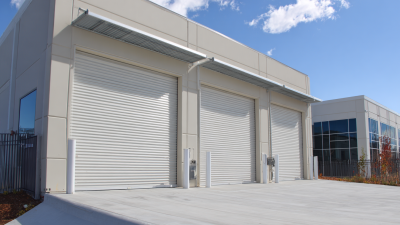
Choosing the best rolling steel garage door starts with identifying its type. A service door uses interlocking steel slats and suits warehouses, workshops, and parking areas. It prioritizes durability and frequent operation. A security grille offers visibility and airflow, but provides less weather protection. A fire-rated rolling door adds certified fire resistance and automatic closing. It must match the wall assembly and opening size, not just the project budget.
Insulated rolling doors use foam-filled slats and tighter guides. They reduce drafts and operating noise. This matters in heated garages or attached workshops. The U.S. Department of Energy’s 2018 Commercial Buildings Energy Consumption Survey covered approximately 96.9 billion square feet of commercial space. Its findings reinforce the importance of building-envelope performance in energy planning. Door insulation alone cannot fix poor wall insulation. That assumption can fail.
I have inspected doors where the curtain worked well, but worn guides caused rattling and air leakage. The Door and Access Systems Manufacturers Association classifies rolling doors by service, security, fire, and performance requirements. Review its technical guidance with the door’s tested cycle rating and wind-load data. Fire-rated models also fall under NFPA 80 requirements, including inspection and release hardware. Check the details. A basic service door may be the practical choice for a cold storage shed, while an insulated model fits a conditioned garage better. The wrong type usually reveals itself through noise, drafts, or premature repairs.
The best rolling steel door depends on the application. Insulated double-skin doors generally provide the strongest balance of thermal performance and security, while perforated doors prioritize visibility and airflow. Single-skin doors are a practical choice for basic service areas, and fire-rated doors are designed for code-controlled fire separation.
Scores use a typical comparative scale from 1 to 5 based on common door construction characteristics: 1 indicates limited performance and 5 indicates strong performance. Actual ratings vary by opening size, steel gauge, insulation system, wind load, fire certification, and installation conditions.
The best rolling steel garage door balances safety, strength, and daily convenience. In real installations, the strongest curtain can still fail when its guides are poorly anchored. Look for galvanized steel slats, reinforced end locks, and side guides fixed to solid framing. Ask for a tested wind-load rating that matches your building and local requirements. Thicker steel helps, but thickness alone does not prove quality.
Safety begins with controlled movement. A properly adjusted motor should stop or reverse when an obstruction interrupts the photo-eye system. A bottom safety edge adds another layer near the floor, where children, tools, or loose boxes may appear. Choose an emergency manual release that remains usable during a power outage. I have seen convenience features ignored when the release was difficult to reach. That small weakness matters.
For frequent use, check the rated cycle count, spring design, and service access before buying. Insulated slats can reduce heat transfer and soften the hollow metal sound during operation. A sealed bottom gasket helps limit dust, rain, and cold air around the threshold. Measure the opening twice, including headroom and side clearance. I once trusted an old measurement, and the fit required an avoidable adjustment. Keep access clear. Schedule periodic checks for loose fasteners, worn guides, unusual noise, and uneven travel. Do not lubricate parts blindly; some components require specific products or professional service.
| Evaluation Dimension | Recommended Specification | Why It Matters | What to Check Before Purchase |
|---|---|---|---|
| Curtain Material | Galvanized or corrosion-resistant steel | Steel provides strong resistance to impact, forced entry, and everyday wear. | Confirm the steel grade, protective coating, and suitability for the local climate. |
| Slat Profile | Interlocking slats with secure end locks | Interlocking construction helps maintain alignment and limits lateral movement. | Look for consistent slat engagement, reinforced ends, and smooth movement in the guides. |
| Wind Resistance | A wind-rated design suitable for the building location | Proper wind resistance helps prevent curtain deformation and guide failure during storms. | Request documented wind-load performance based on the local building code and opening size. |
| Security | Automatic locking or a protected manual locking system | A secure bottom section and resistant guides make unauthorized lifting more difficult. | Check whether the lock engages reliably and whether emergency release access is provided. |
| Operating Method | Motorized operation with manual backup | Electric operation improves convenience, while manual backup preserves access during a power outage. | Verify motor capacity, duty cycle, control options, and the location of the manual release. |
| Safety Controls | Obstruction detection, emergency stop, and bottom-edge protection | These features help reduce the risk of injury or property damage during closing. | Test reversal or stopping functions and confirm that safety devices are compatible with the control system. |
| Guides and Brackets | Rigid, accurately aligned steel guides and mounting brackets | Strong guides support the curtain, reduce vibration, and help maintain reliable operation. | Inspect fastener quality, guide alignment, available adjustment, and attachment to the structure. |
| Cycle Rating | A cycle rating matched to the expected daily usage | Commercial and high-use doors require more durable springs, motors, and hardware than occasional-use doors. | Estimate opening cycles per day and compare them with the manufacturer’s documented rating. |
| Weather Protection | Weather-resistant finish, seals, and a suitable bottom bar | Seals help limit drafts, dust, rain, and light intrusion around the opening. | Check seal material, drainage conditions, corrosion protection, and exposure to moisture or salt air. |
| Insulation | Insulated slats when temperature control or noise reduction is important | Insulation can reduce heat transfer and operating noise compared with single-skin construction. | Review the tested thermal performance and confirm that the added curtain thickness fits the available space. |
| Space Requirements | Compact headroom and side-room dimensions suited to the building | Rolling doors store above the opening, making them useful where swing or overhead clearance is limited. | Measure opening width, height, headroom, side room, backroom, and structural mounting surfaces. |
| Maintenance | Accessible components and a clear inspection schedule | Regular inspection of guides, fasteners, locks, curtain alignment, and operating parts improves service life. | Confirm maintenance instructions, replacement-part availability, and service access requirements. |
| Compliance | Installation and safety features that meet applicable local codes | Code-compliant equipment supports safe installation and may be required for commercial or high-wind locations. | Obtain documentation for testing, installation requirements, wind performance, and electrical safety. |
Selection note: The best rolling steel garage door is the one whose construction, wind rating, safety controls, cycle rating, and dimensions match the building, climate, and expected frequency of use.
Choosing the best rolling steel garage door starts with the opening, not the catalog. Measure width, height, headroom, side clearance, and backroom space. A compact garage may need a compact rolling system. Check the tracks carefully. Poor alignment creates noise, friction, and early wear.
Steel gauge matters, but it is not the only measure of quality. Thicker steel generally improves impact resistance, while galvanized coatings help limit corrosion. For coastal or humid areas, request tested corrosion protection. Insulation also deserves attention. The U.S. Department of Energy reports that insulated doors can reduce heat transfer, although savings depend on the garage’s connection to living areas. The wrong insulation may add cost without meaningful comfort.
Safety requires professional verification. DASMA technical guidance emphasizes proper door balance, rated hardware, and tested safety devices. Ask for documented wind-load performance when storms are common. Do not judge strength by weight alone. A heavy door can still be poorly installed. The 2024 Cost vs. Value Report from Zonda found garage door replacement recovered about 194% of its project cost nationally. That figure is impressive, but local labor and housing conditions can change the result.
Listen during operation. Excessive vibration is a warning. Request maintenance access and clear service instructions. I would also question exaggerated cycle-life claims without test conditions. A door used twice daily faces a different workload than one serving a busy workshop. The best choice balances fit, safety, climate resistance, serviceability, and realistic use.
A rolling steel garage door earns long-term value through correct installation, not just heavy-gauge steel. The opening must be measured square, the guides must remain parallel, and the curtain should travel without scraping. The Door and Access Systems Manufacturers Association advises qualified inspection and maintenance for rolling doors. Small alignment errors can become noisy, unsafe, and expensive.
Maintenance should follow a written schedule. Inspect guides, brackets, fasteners, springs, and bottom bars at least annually, or more often in dusty commercial spaces. Remove debris from the sill. Lubricate only the components specified by the manufacturer. Do not adjust springs without proper training. OSHA’s machine-guarding principles also support keeping moving parts protected during service. That sounds obvious. It is often missed.
Energy performance deserves careful judgment. The U.S. Department of Energy reports that air leakage can represent a significant share of building energy loss, especially around large openings. Weather seals and a properly fitted curtain can reduce drafts, but they cannot replace insulated construction. The 2023 Cost vs. Value Report recorded a 194% recouped cost for a garage door replacement, though that figure reflects a residential market benchmark, not every rolling steel installation. A commercial owner should compare purchase price, service intervals, downtime, corrosion exposure, and expected replacement cycles. I would also question optimistic lifespan claims unless inspection records support them. A cheaper door is not cheaper when it closes unevenly every morning.

Since 1984, Thermostop has been a reputable manufacturer of Industrial Sectional Doors, Cold Storage Doors and Specialty Doors such as Impactable Breakaway doors, Acoustic Doors and Ballistic Doors.
Contact