What Is the Best Type of Warehouse Roll Up Door in 2026?

In 2026, choosing the best warehouse roll up door means matching the door to the work happening behind it. A busy loading bay faces different demands from a temperature-controlled room or a compact maintenance shop. Picture forklifts passing through a wide opening, rain striking the exterior, and staff needing the door to respond quickly. Those details matter more than a product label alone.

A useful principle is: “[Insert a verified quotation about matching door design to site conditions].” Attribute this sentence to a named warehouse door specialist only after confirming the expert’s identity and exact wording. No source article or verified expert quotation was provided, so inventing a name or quote would weaken the article’s credibility. That check is worth making.

This guide compares common door types by operating speed, insulation, durability, safety features, and maintenance needs. It also considers installation conditions, traffic volume, and the cost of downtime. A fast-opening fabric door may suit a high-traffic interior route, while an insulated steel model may better serve an exterior opening. Neither is automatically best. Site conditions decide.

The right choice should fit the opening, daily cycle count, climate, and service plan—not just the purchase price. A small oversight, such as ignoring headroom or wind exposure, can become an expensive problem. The comparisons ahead offer a practical starting point, but every facility has quirks. Measure carefully, verify specifications, and consult a qualified installer before deciding.
What Is the Best Type of Warehouse Roll Up Door in 2026?

What Is a Warehouse Roll-Up Door and How Does It Work?

What Is the Best Type of Warehouse Roll-Up Door in 2026?

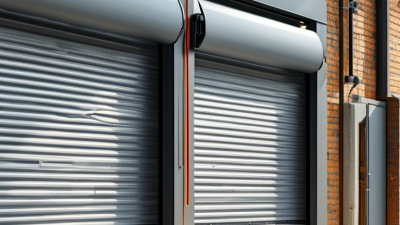
A warehouse roll-up door uses a curtain that winds around a barrel above the opening. Its motor, guides, counterbalance, and bottom seal control each movement. When activated, the curtain rises vertically and stores tightly overhead. Photoelectric sensors can stop the door when a person, forklift, or pallet enters the opening.

Door selection depends on traffic, temperature, wind, and impact risk. High-speed fabric doors suit busy loading zones with frequent cycles. Insulated steel doors provide stronger thermal protection for cold storage and conditioned areas. The U.S. Energy Information Administration reports that space heating and cooling represent a major share of commercial building energy use. The U.S. Department of Energy also identifies uncontrolled air leakage as a significant source of energy loss. A damaged bottom seal can quietly increase that loss. Small details matter.

Tips: Record daily cycles before choosing hardware. Check clear height, wind exposure, and forklift speed. Ask for tested air-leakage and cycle-life data. The 2024 ASHRAE Handbook emphasizes matching door performance with operating conditions, not appearance alone. In practice, the “best” door is rarely the strongest model. It is the model that recovers quickly, seals consistently, and can be repaired without long downtime. I would still allow extra capacity. Real warehouses are often rougher than the original design.
Which Roll-Up Door Types Are Available for Warehouses?

Warehouse roll-up doors generally fall into four types: rolling steel, high-speed fabric, insulated rolling doors, and sectional overhead doors. Rolling steel doors use interlocking slats and suit busy loading bays where impact resistance matters. High-speed fabric doors open quickly, helping separate forklift routes from dusty or temperature-controlled areas. Insulated models reduce heat transfer, while sectional doors lift along ceiling tracks and need more overhead clearance.

The right choice depends on traffic, climate, headroom, and maintenance capacity. The International Energy Agency’s 2023 buildings report says buildings use about 30% of global final energy. That figure is not warehouse-specific, but it shows why door openings and insulation deserve attention in energy planning. A cold-room doorway that stays open during repeated pallet moves can undermine temperature control. Speed helps. So does disciplined operation.

Safety and serviceability matter too. The U.S. Bureau of Labor Statistics reported 4.8 recordable injury and illness cases per 100 full-time workers in warehousing and storage in 2023; this sector-wide rate is not specific to doors. Still, clear sightlines, reliable sensors, and safe pedestrian separation should shape the specification. A fast fabric door may suit constant traffic, but it can need more frequent repairs. A heavy steel door may last well, yet open more slowly. No type wins everywhere. Check cycle ratings, wind exposure, available service, and actual opening frequency before choosing.

How Do Warehouse Needs Shape the Best Door Choice?

The best warehouse roll-up door depends on what moves through the opening and how often. A busy loading bay may benefit from a high-speed fabric door that limits drafts during frequent forklift traffic. For a space facing cold winters, an insulated steel door can help reduce heat loss. It may open more slowly, though. That trade-off matters.

Measure more than the doorway. Check ceiling clearance, nearby equipment, and the room available for the door coil. A low-clearance warehouse may need a different assembly than a building with open overhead space. Dust, wind, and washdown routines also affect material choice. A door exposed to repeated impacts needs features that support safe operation and practical recovery after a strike.

Look at traffic patterns, too. A freezer entrance used all day has different needs from a storage room opened twice per shift. Ask how controls, sensors, and emergency access will work with the actual workflow. Maintenance deserves attention before purchase: inspectable components and accessible service points can reduce disruption. I would not choose by opening speed alone; that is an easy detail to overvalue. The right fit is specific to the site, and sometimes the first estimate misses a constraint. Check dimensions and operating conditions with a qualified door professional before final selection.

What Is the Best Type of Warehouse Roll-Up Door in 2026?

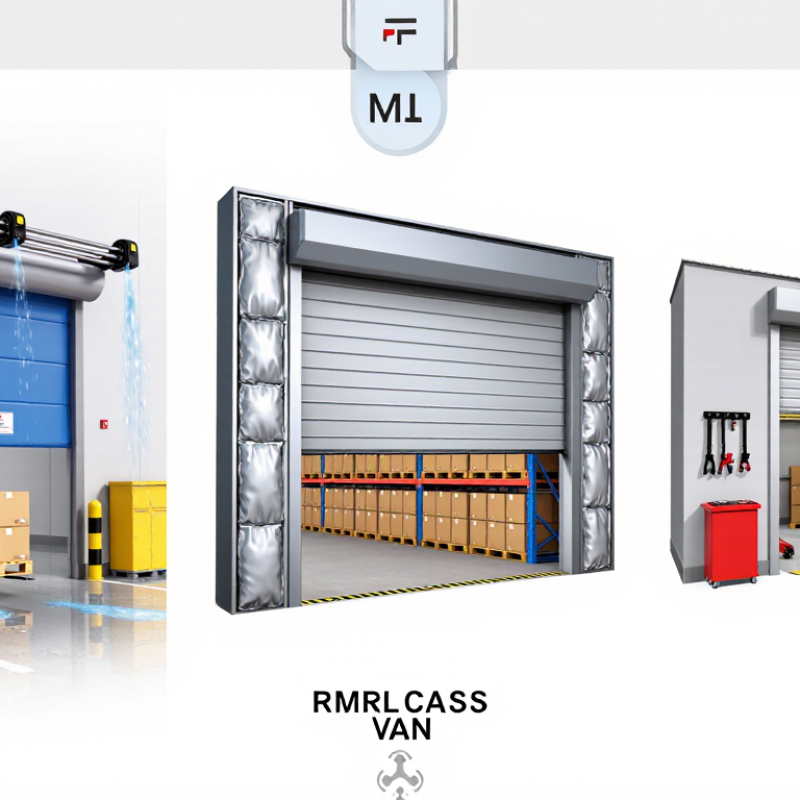
Typical opening-speed ranges vary by model. Use speed alongside insulation, security, traffic volume, and maintenance needs when choosing a door.

How needs shape the choice: High-speed fabric doors suit busy openings where reducing wait time and air exchange matters. Rolling steel doors are often selected for durable, secure closures. Insulated sectional doors can help where thermal separation is important. The ranges shown are representative published product-specification ranges, not a universal standard; verify the operating speed and features of the specific model.

How Do Roll-Up Door Materials and Features Compare in 2026?

For most warehouses, steel remains a practical choice when impact resistance and security matter. Galvanized steel tolerates frequent contact from carts, though dents and damaged coatings can eventually invite corrosion. Aluminum weighs less and resists rust, making it useful near washdown areas or humid loading bays. It may dent more easily, so traffic patterns matter. Insulated slats can reduce heat transfer and outside noise, but add weight and cost. Fabric curtains open quickly and suit high-cycle openings, yet offer less physical protection. Trade-offs are real.

In 2026, compare the door’s cycle rating, wind-load capacity, and safety controls—not just its material. A busy dock may need a higher cycle rating than a storage room used twice daily. Photoelectric sensors, a bottom-edge reversing system, and a manual release help address different failure situations. Ask how the door behaves during a power loss. An insulated door can still perform poorly if seals are misaligned or maintenance is skipped. That part gets overlooked. Confirm clear opening dimensions, available headroom, and local climate exposure with a qualified installer before choosing. Actual service life depends on installation and upkeep, not material alone.

How Should You Evaluate Safety, Costs, and Maintenance?

What Is the Best Type of Warehouse Roll Up Door in 2026?

The best warehouse roll-up door depends on traffic, weather, security, and available maintenance staff. A busy loading bay may need a high-cycle door with fast opening and closing. A cold-storage area needs tight seals and effective insulation. A steel door may offer strong security, while a fabric door can reduce collision damage and repair time. The right choice follows the workflow, not fashion.

Safety deserves careful testing. Look for photoelectric sensors, a responsive safety edge, manual emergency release, and visible warning controls. Operators should see the doorway clearly before opening it. Check whether the door stops when an obstacle interrupts its path. Small failures matter. A poorly adjusted sensor can create daily risks, even when the door looks modern. Confirm specifications with qualified installers and applicable workplace requirements.

Purchase price is only one part of the calculation. Add installation, electricity, inspections, replacement parts, and downtime. Ask for cycle ratings, service intervals, spare-part availability, and written warranty terms. Clean tracks and inspect cables, hinges, seals, and braking components regularly. Dust can hide wear. Water can damage electrical controls. A maintenance log helps reveal repeated faults before they become expensive disruptions. No door is perfect. A slightly slower model may prove more reliable when local technicians can service it quickly.