Why Choose a Coiling Door for Your Business Needs?
In the modern business landscape, choosing the right entry solutions is crucial. Coiling doors have gained popularity for their efficiency and security. Industry expert, Tom Mitchell, states, "A coiling door can significantly enhance the workflow of any facility." This reflects the growing recognition of these doors in various sectors.
Coiling doors are designed to save space and manage traffic effectively. They roll up neatly, making them ideal for high-traffic areas. Businesses also appreciate their durability and weather resistance. However, some companies may overlook their potential benefits. Not every facility may be suited for a coiling door. It’s essential to evaluate specific operational needs.
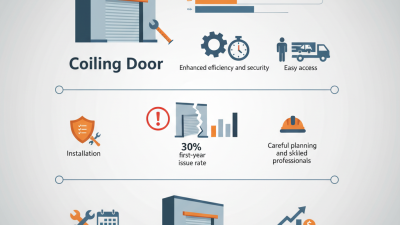
Additionally, installation requires professional expertise. A poorly installed coiling door can lead to operational issues. This is a common oversight that can diminish efficiency. Custom fitting can address unique challenges. Understanding these factors can lead to better decisions and increased satisfaction with coiling doors.

Benefits of Coiling Doors for Enhanced Security in Commercial Spaces
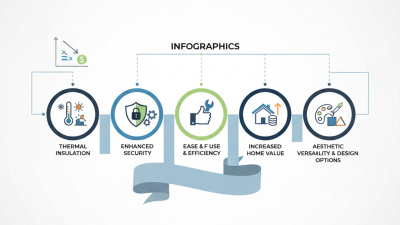
Coiling doors offer significant advantages for enhancing security in commercial spaces. They are designed to provide robust protection against unauthorized access while still allowing for easy operation. According to the International Door Association, coiling doors can reduce potential entry points significantly. Their sturdy construction can deter intruders and minimize theft risks. In fact, businesses that install these doors report a 29% decrease in security incidents.
When selecting a coiling door, consider the materials used. Steel and aluminum options provide exceptional strength and durability. They are ideal for high-traffic areas and can withstand harsh weather conditions. Moreover, many coiling doors come with additional security features, such as locking mechanisms and sensors, which further enhance protection.
Tip: Conduct regular maintenance checks to ensure the door operates smoothly. This can help avoid potential security vulnerabilities.
Another benefit of coiling doors is their
space-saving design. Unlike traditional doors, they roll up into a compact coil. This feature is invaluable in crowded environments where space is limited. It allows for
better traffic flow and maximizes usable area. However, businesses must ensure their installation meets all
safety regulations.
Tip: Always consult with professionals to ensure proper installation. This can prevent costly mistakes and enhance overall security.
Factors to Consider When Selecting Coiling Doors for Your Business
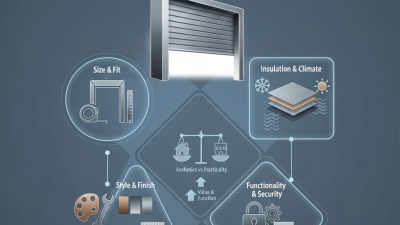
When selecting coiling doors for your business, several factors must be assessed. The door's material is crucial. Steel doors offer durability but may require regular maintenance to prevent rust. On the other hand, aluminum doors are lightweight and resistant to corrosion, making them ideal for varying climates. According to industry reports, 70% of businesses value durability as a top concern.
Another essential factor is the door's insulation properties. Insulated coiling doors can enhance energy efficiency. A study by the U.S. Department of Energy showed that insulated doors can reduce heating and cooling costs by up to 30%. This statistic is significant for businesses looking to minimize overhead.
Security features are also vital in your decision-making process. A coiling door should provide excellent protection while being easy to operate. Some options include advanced locking mechanisms or smart technology. However, integrating cutting-edge technology can pose challenges. Balancing security and cost is necessary for a successful investment.
Why Choose a Coiling Door for Your Business Needs? - Factors to Consider When Selecting Coiling Doors for Your Business
| Feature |
Description |
Advantages |
Considerations |
| Material |
Typically made from steel, aluminum, or fiberglass. |
Durability and resistance to wear. |
Consider environmental conditions affecting material choice. |
| Customization |
Available in various sizes, colors, and finishes. |
Easily match business aesthetics. |
Customization may increase lead time and cost. |
| Insulation |
Options for insulated and non-insulated doors. |
Energy efficiency and temperature control. |
Is insulation necessary for your climate? |
| Safety Features |
Includes sensors and emergency release options. |
Increased safety for employees and customers. |
Assess local safety regulations. |
| Maintenance |
Regular inspections and upkeep are necessary. |
Longer lifespan with proper maintenance. |
Consider the effort and cost of maintenance. |
Energy Efficiency: How Coiling Doors Reduce Operational Costs
Coiling doors are gaining popularity among businesses seeking efficiency. They play a critical role in reducing operational costs through their energy-saving design. These doors closely seal openings, minimizing air exchange between indoor and outdoor environments. By maintaining stable temperatures, they decrease the need for excessive heating or cooling, which can significantly cut energy bills.
Consider the workflow in a busy warehouse. Frequent opening and closing instances can lead to temperature fluctuations. Coiling doors help create a barrier that not only protects against drafts but also mitigates energy loss. This is crucial during peak hours when many employees are moving in and out. Even a slight drop in temperature can lead to higher energy usage.
Moreover, the reliable construction of coiling doors provides durability, leading to fewer repairs. Yet, it’s important to recognize that the initial investment can be higher than traditional doors. Businesses should weigh both the long-term savings against upfront costs. It might not always be easy to predict how quickly the savings will offset that investment. Reflecting on these factors is essential for informed decision-making.
Industry Standards and Compliance for Coiling Door Installations
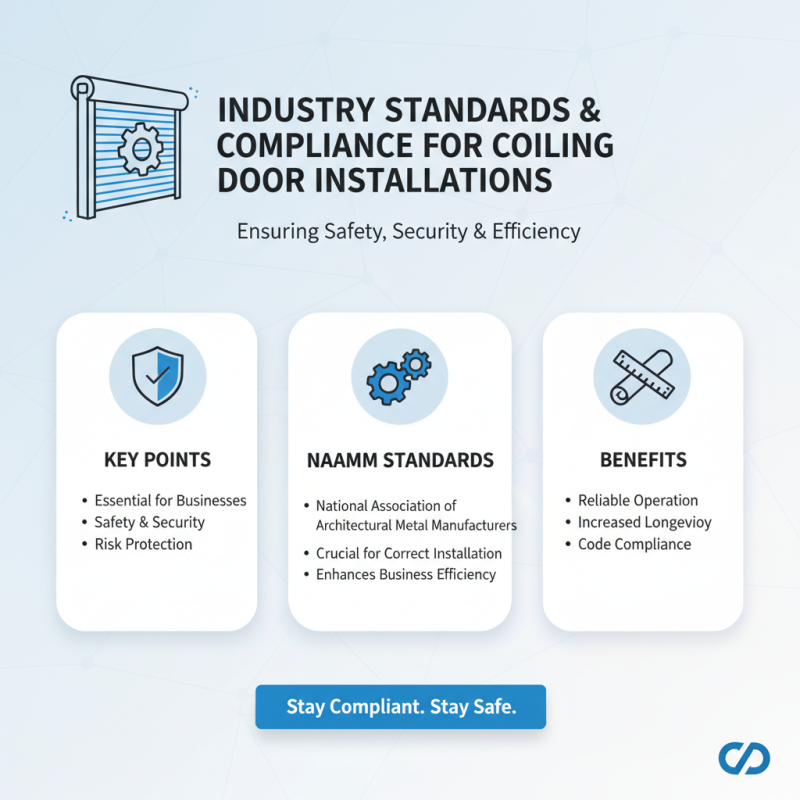
Coiling doors have become an essential choice for many businesses, especially when it comes to compliance with industry standards. According to the National Association of Architectural Metal Manufacturers (NAAMM), the correct installation of coiling doors is crucial for maintaining safety and security. Proper adherence to these standards ensures both business efficiency and protection against potential risks.
When installing coiling doors, it's essential to consider the guidelines set by the American National Standards Institute (ANSI). Compliance with ANSI/AMCA 500 standards ensures that doors meet performance metrics for air leakage, wind resistance, and safety. Failure to follow these guidelines can lead to costly redesigns and safety hazards. Additionally, the Occupational Safety and Health Administration (OSHA) outlines specific safety protocols related to door installations, underscoring the importance of careful planning to avoid workplace injuries.
Failing to comply with these standards may seem trivial, but the consequences can be significant. Many businesses overlook the details in the installation process. Minor gaps or improper seals can compromise the efficiency of the door. Understanding these requirements can greatly affect a business’s long-term operations. Investing time in compliance not only protects assets but also fosters a safer environment for employees and customers alike.
Maintenance Tips for Longevity of Coiling Doors in Business Environments
Coiling doors are increasingly popular in commercial spaces. Their durability is one of their key benefits. However, maintenance is essential for ensuring they last. Regular inspections can spot small issues before they escalate. Experts suggest that businesses should perform these checks at least quarterly. Neglecting maintenance can lead to costly repairs and downtime.
Lubrication is critical for smooth operation. Apply a high-quality lubricant to the moving parts. This reduces wear and tear. In fact, a report by the Door & Access Systems Manufacturers Association indicates that proper lubrication can extend the door's lifespan by up to 30%. It's important to clean the tracks and sensors regularly as well. Dust and debris can interfere with functionality.
Additionally, consider environmental factors. Heavy usage or exposure to harsh elements can shorten a door's life. In colder climates, ensure that the door seals are intact. This prevents ice buildup that can harm functionality. Reflection on these practices highlights how small changes can significantly impact a coiling door's longevity. Consistent attention can lead to enhanced performance and reduced costs over time.