How to Choose the Best Original Overhead Door for Your Needs?
Choosing the right original overhead door is crucial for both residential and commercial properties. The global garage door market is anticipated to reach USD 39.6 billion by 2026, driven by technological advancements and customization options. Selecting the ideal overhead door involves understanding your specific needs, including security, insulation, and aesthetics.
Many homeowners overlook factors like durability and maintenance. According to a survey by the International Door Association, 30% of homeowners do not prioritize door longevity, which can lead to higher costs over time. It’s essential to consider materials such as steel, wood, or fiberglass and their respective benefits. Your choice of an original overhead door can significantly impact energy efficiency and curb appeal.
In a market filled with options, decisions can become overwhelming. Buyers often face doubts about features, styles, and costs. Consulting with industry professionals can provide invaluable insights. Investing time in research and expert advice ensures that your final choice aligns with both functionality and style. An informed decision leads to long-term satisfaction.
Factors to Consider When Choosing an Original Overhead Door
Choosing the right overhead door involves several critical factors. First, you must assess the door's material. Steel, wood, and fiberglass are common choices, each offering distinct advantages. According to industry reports, steel doors are generally more durable, resisting dents and scratches, while wooden doors provide aesthetic appeal but may require more maintenance.
Insulation is another significant consideration. A well-insulated door can improve energy efficiency by up to 30%. This not only reduces utility costs but also enhances comfort. Additionally, door size and design play a crucial role. Miscalculating these dimensions can lead to costly adjustments later. Research suggests that nearly 25% of homeowners regret their initial choice due to poor sizing.
Another aspect to consider is safety features. Modern overhead doors come equipped with sensors and automatic stop functions. Prioritizing these features can prevent accidents, particularly in households with children. Take time to evaluate local regulations and requirements. Neglecting these can lead to fines or issues during installation. Ultimately, a well-informed decision will save time and money in the long run.
Types of Original Overhead Doors Available on the Market
When exploring the types of original overhead doors available on the market, consider functionality and design. Sectional doors are popular for their versatility. They consist of several panels that slide up and down smoothly. Their insulated models provide energy efficiency, which can reduce heating bills in colder climates. However, they might require regular maintenance to prevent track issues.
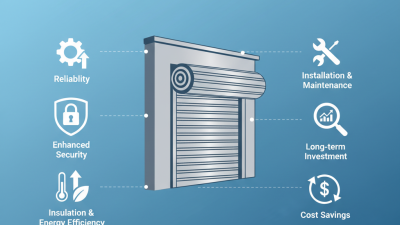
Roll-up doors offer durability and are perfect for commercial settings. Made from steel or aluminum, these doors can withstand heavy use. They are space-efficient, as they roll directly overhead. Yet, they may not always provide the best insulation, so consider your climate needs.
Another option is tilt-up doors, known for their simple design and ease of use. These doors operate by swinging up and outward. While they are typically less expensive, they often lack the insulation features found in other types. Take time to assess your specific needs to ensure the chosen door meets all requirements.
Assessing Your Space Requirements for an Overhead Door
Choosing the right overhead door starts with understanding your space requirements. Measure the height and width of your doorway thoroughly. An ill-fitting door can cause more problems than it solves. Consider the ceiling height too; it affects the type of door that can operate properly. If you have a low ceiling, a roll-up door might be more suitable.
Think about your vehicle and how much space it occupies. Will it fit comfortably? This is crucial, especially if you plan to park larger vehicles like trucks or vans. Also, evaluate how much clearance you need for opening the door. If your driveway slopes downward, you must account for additional height. Ignoring these details can lead to frustration.
Assessing your space becomes more complex if you have an unusual structure. Irregularly shaped garages pose a larger challenge. You might need a custom door solution in such cases. Reflect on how often you will use the door. Frequent use demands a more durable option, while occasional access lets you choose based on aesthetic preference. Balancing these factors is essential for a satisfactory choice.
Material Options for Overhead Doors: Pros and Cons
When choosing an overhead door, material options play a crucial role. Each material has unique characteristics with distinct advantages and disadvantages. Steel doors are popular due to their durability. They can withstand harsh weather and require minimal maintenance. However, they may rust or dent over time. Homeowners should consider the climate in their area when selecting steel.
Wooden doors offer beauty and aesthetic charm. They can be customized to fit any home style. However, wood is prone to warping and may require regular treatment to prevent decay. This upkeep can be time-consuming and may deter some buyers. In contrast, fiberglass is a lighter, low-maintenance option. It effectively mimics the look of wood without the drawbacks. Yet, it can be less robust than steel.
Aluminum is another choice, providing a sleek look and is lightweight. It resists corrosion, but it might not be as sturdy as steel. Choosing the right material means weighing these factors carefully. Consider factors such as climate, aesthetics, and maintenance. The final decision should reflect both personal preference and practical needs. Each material has trade-offs, so reflecting on these aspects is key.
Maintenance and Durability Considerations for Overhead Doors
When selecting an overhead door, maintenance and durability are crucial factors. A report by the International Door Association reveals that poorly maintained doors can fail prematurely, leading to increased costs. Regular inspections can extend the life of an overhead door by up to 30%. This statistic highlights the importance of proactive maintenance, ensuring optimal performance over time.
Material choice significantly impacts durability. Steel doors often outperform wood in harsh climates. They resist dents and require less frequent repainting. Additionally, insulated doors can save energy, reducing heating and cooling costs by up to 20%. However, they may experience wear and tear from weather conditions, necessitating regular checks for rust or damage.
It’s often overlooked that the installation environment plays a role in a door's lifespan. Doors exposed to moisture, dirt, or significant temperature fluctuations will likely deteriorate faster. Users should consider their specific conditions when choosing a door. Ignoring these factors can lead to unexpected issues, impacting overall functionality. Regularly updating maintenance practices can help address these concerns effectively.
How to Choose the Best Original Overhead Door for Your Needs? - Maintenance and Durability Considerations for Overhead Doors
| Feature |
Considerations |
Maintenance Frequency |
Durability Rating |
Cost Range (USD) |
| Material |
Choose between steel, aluminum, or wood based on durability and insulation needs. |
Every 6-12 months |
10-20 years |
$500 - $3000 |
| Insulation |
Key for energy savings, consider R-value ratings. |
Every 1-2 years |
15-25 years |
$600 - $4000 |
| Security Features |
Consider locks, reinforced panels, and remote access. |
Annually |
10-15 years |
$700 - $2500 |
| Style |
Choose design that fits your property aesthetic. |
As needed |
N/A |
$400 - $3500 |
| Warranty |
Check duration and coverage of the warranty provided. |
Revisit every warranty period |
Varies by manufacturer |
$0 - $200 |