How to Choose the Right Overhead Door for Your Garage Door Needs?
Choosing the right overhead door garage door can feel overwhelming. With many options available, it's crucial to make informed decisions. Industry expert Mark Turner states, “A garage door is not just a barrier; it’s an investment in your home.” His words emphasize the importance of selection.
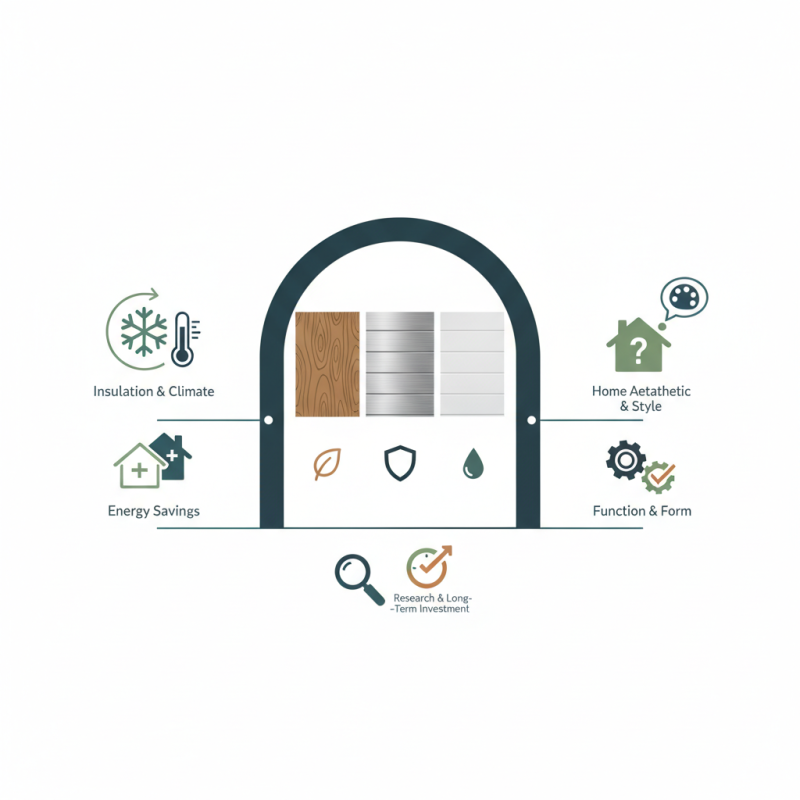
When considering an overhead door garage door, think about materials, insulation, and style. Wood, steel, and vinyl each have their pros and cons. Insulation matters too, especially in extreme climates. An insulated door can save on energy bills. However, choosing the cheapest option can lead to future regrets.
Remember, the right door should match your home’s aesthetic. Function and form must go hand in hand. Often, homeowners overlook practical needs for desired looks. It's essential to reflect on these choices carefully. Investing time in research pays off long-term.
Types of Overhead Doors: Understanding Your Options
When choosing an overhead door, consider the types available. Each has its unique features and benefits. The most common types include
sectional doors, roller doors, and tilt-up doors.
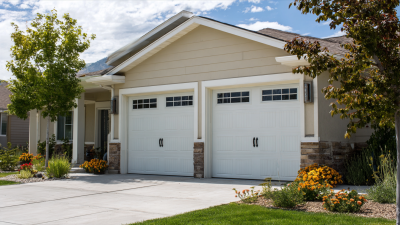
Sectional doors consist of multiple panels that slide up and overhead. They provide excellent insulation and security.
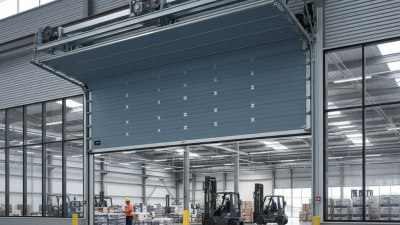
Roller doors, on the other hand, are ideal for commercial spaces. They roll up into a compact coil, saving space for parking and storage.
Tilt-up doors are simple and cost-effective. They swing out and then up, but they may require more driveway space. Each style has its merit, depending on your space and usage needs.
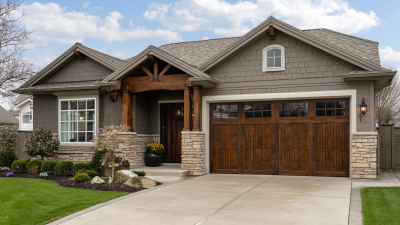
Think about the material as well. Steel doors offer durability but can dent easily. Wooden doors bring charm but require maintenance.
Fiberglass options resist rust but can warp in extreme heat. Balancing aesthetics with practicality can be challenging.
Consider what matters most to you. Take time to evaluate your choices; there is no rush.
Factors to Consider When Choosing an Overhead Door
Choosing the right overhead door involves multiple factors. Material is fundamental.
Steel, wood, and vinyl doors each have unique benefits and drawbacks.
For example, a steel door may offer durability and security, while wood provides aesthetic appeal but requires regular maintenance.
Reports show that nearly 40% of homeowners regret not considering material choice more carefully.
Another vital aspect is insulation. Insulated doors can reduce energy costs significantly.
According to industry data, insulated garage doors can save up to 20% on heating and cooling expenses.
However, some doors may not offer adequate insulation, leading to temperature fluctuations inside the garage.
The style of the door also matters. A mismatch with the home’s architecture can be displeasing.
Studies indicate that 71% of people believe the appearance of their garage door affects their home’s curb appeal.
This can impact overall property value. Selecting the right style requires reflection on personal taste and architectural compatibility.
Yet, many owners overlook this detail, only to face dissatisfaction later.
Materials and Insulation: Making the Right Choice
Choosing the right materials for your garage door is crucial. The options available can be overwhelming. Steel, wood, and fiberglass are popular choices. Each material has unique benefits and drawbacks. Steel is durable and low maintenance. However, it can rust over time if not cared for. Wood provides an attractive, classic look but requires regular upkeep.
Insulation is another key factor to consider. Insulated doors are energy efficient and help regulate temperature. This is especially important if your garage is attached to your home. A poorly insulated door can lead to higher heating or cooling costs. Think about the climate in your area when selecting insulation. A door that works well in a temperate zone might not suit a region with extreme temperatures.
Reflect on your lifestyle and needs. Do you use your garage as a workspace or for storage? This might influence your choice. After all, a door that looks great but lacks function could lead to frustration. It’s essential to balance aesthetics and practicality when making your decision. Take your time; this can greatly impact your home's energy efficiency and overall comfort.
Design and Style: Enhancing Your Garage Aesthetics
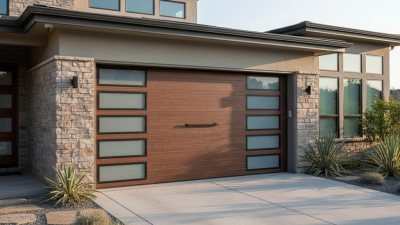
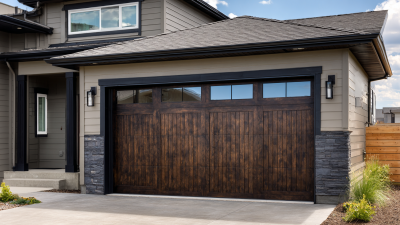
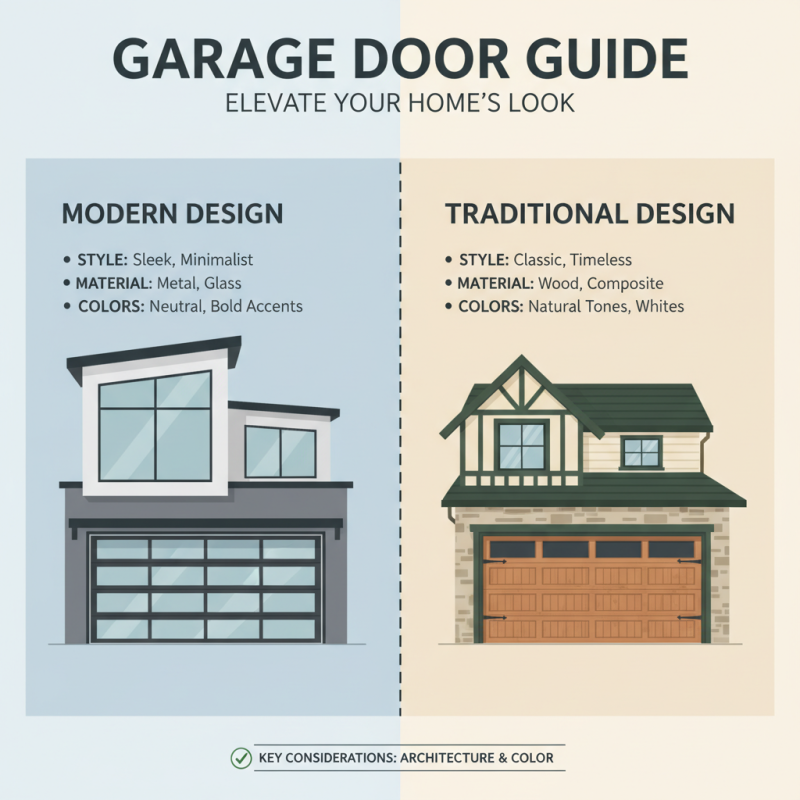
Choosing the right overhead door can dramatically enhance your garage’s aesthetics. Consider the architectural style of your home. A sleek, modern door can complement a contemporary design. On the other hand, a classic wooden door may suit a more traditional setting. Think about color too. Neutral tones blend well with many designs, while bold colors can create a striking focal point.
In addition to style, texture plays a crucial role. A smooth finish feels clean and polished, while a wood grain texture adds warmth. Windows can also be a beautiful touch. They not only provide light but also enhance the visual appeal. However, be mindful of privacy. Too many windows can expose your garage's contents.
It’s essential to balance functionality with design. Sometimes, the door that looks great may not withstand weather conditions. Consider local climate factors. This reflection will lead to choices that are not just beautiful but also practical. The best door is one that looks good and serves your needs efficiently.
Budgeting for Your Overhead Door: Cost Considerations
When budgeting for your overhead door, cost considerations play a crucial role. The price varies depending on materials, insulation, and design. Basic steel doors may be cheaper but lack insulation. Wood doors look great but can be expensive. Aim for a balance between cost and functionality.
Consider installation fees as well. Professional installation ensures safety and durability. However, DIY may save money if you have experience. Remember to factor in additional costs like maintenance. Regular upkeep can avoid expensive repairs down the line.
Tips: Look for local suppliers for competitive pricing. Research the market before making a choice. Check for hidden costs. Many products advertised online may have extra shipping fees. Unforeseen expenses can affect your budget. Keep some funds aside for surprises.
Cost Considerations for Different Types of Overhead Garage Doors