How to Choose the Right Sectional Door for Your Needs?
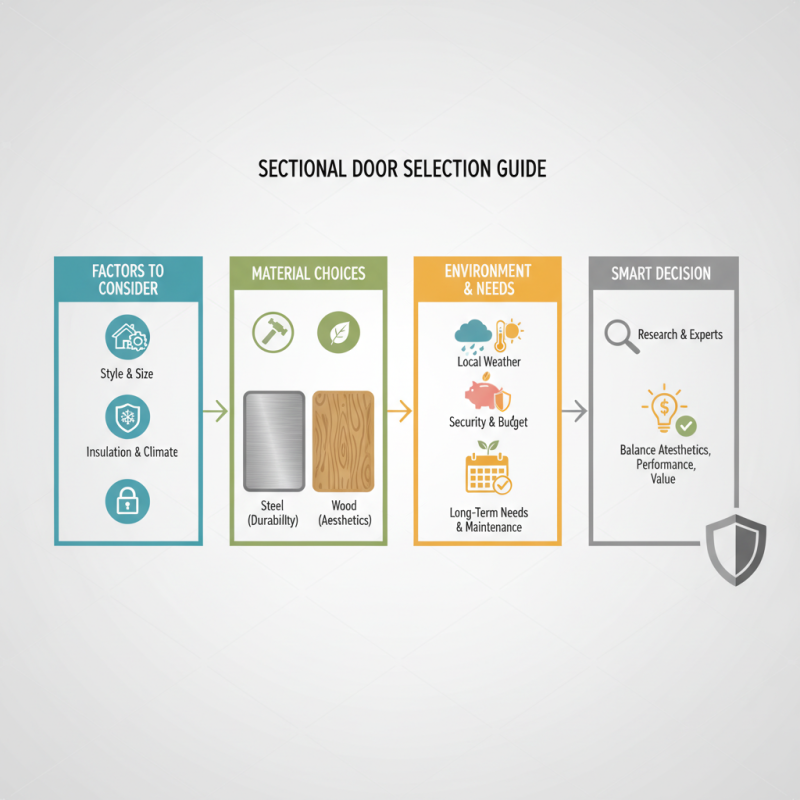
Choosing the right sectional door for your needs can be challenging. Various factors influence this decision, such as style, size, and insulation. A sectional door can enhance your building's appearance and functionality. Different materials, like steel and wood, offer distinct looks and durability.
Consider your environment when selecting a sectional door. For colder climates, insulated doors are wise. They help maintain energy efficiency. Your local weather, security needs, and budget are critical. Conduct research and consult with experts to avoid costly mistakes.
Reflect on your long-term needs too. A door is not just an entrance; it serves as a barrier against the elements. Regular maintenance can extend its lifespan. Evaluate options and ask questions. Understanding your requirements will lead you to a decision that balances aesthetics, performance, and value.
Understanding Different Types of Sectional Doors Available on the Market
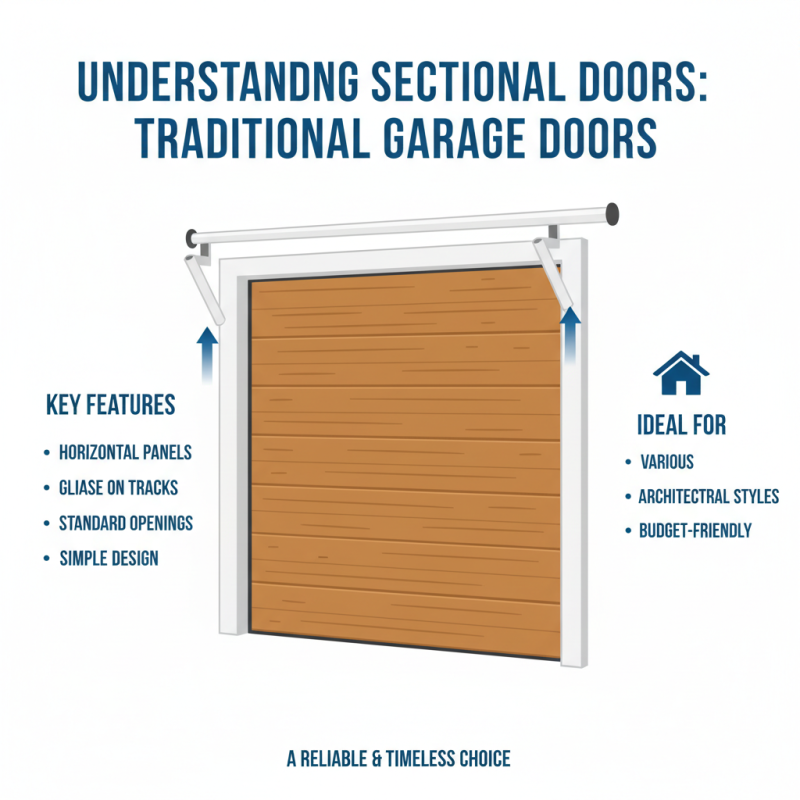
When exploring sectional doors, it’s essential to understand the various types available. Traditional garage doors often utilize horizontal panels. These doors glide up and down on tracks, providing a classic look. They are ideal for standard-sized openings and various architectural styles. Their simplicity is appealing, yet they may lack some of the advanced features found in newer models.
Modern sectional doors come with various insulation options. Insulated doors provide enhanced energy efficiency, reducing heating and cooling costs. They can be a bit heavier, requiring sturdy tracks and robust mechanisms. Consider the climate in your area. In regions with extreme temperatures, insulated doors can significantly impact comfort levels indoors.
Another option is the custom-designed sectional door. These doors can be tailored to fit unique openings and design preferences. However, customization can lead to longer lead times and increased costs. It's vital to weigh the balance between aesthetics and practicality. Ultimately, the right choice will depend on your specific needs and circumstances.
Factors to Consider When Choosing the Right Size for Your Sectional Door
Choosing the right size for your sectional door is crucial for functionality. A well-fitted door not only enhances your property’s security but also improves energy efficiency. The International Door Association reports that correctly sized doors reduce air leaks by up to 25%, leading to potential energy savings and lower utility bills.
Height and width are primary considerations. Standard sizes are common, but custom doors can provide a perfect fit. Measure your opening carefully, accounting for track space and headroom. Many homeowners overlook this and face issues after installation. In fact, around 30% of doors are replaced due to poor sizing. A proper fit also ensures smooth operation, preventing unnecessary wear on mechanical parts.
Another factor is the material of the door. Steel doors offer durability but can be heavy. Wood doors provide an attractive finish but require more maintenance. The choice affects how well the door fits into your home’s overall aesthetic. Balancing visual appeal with practicality can be challenging. Make sure to weigh your options based on climate and local weather conditions, as this may affect your choice significantly.
Evaluating Material Options for Durability and Insulation Properties
When choosing a sectional door, material options can significantly affect durability and insulation. Common materials are steel, fiberglass, and wood. Each has its own advantages and drawbacks. Steel doors are known for their strength and security. However, they can rust if not properly maintained. Fiberglass offers excellent insulation properties. Yet, it's not as sturdy as steel. Wood doors provide aesthetic appeal but require regular upkeep to prevent warping or rotting.
Durability should be a priority. Steel might be a solid choice for high-traffic areas. Consider the climate, too. If you live in an area with extreme temperatures, the insulation properties of materials are vital. Well-insulated doors can reduce energy costs. Evaluate your needs before making a decision. Ask yourself about maintenance and long-term durability. Sometimes, the least expensive option can become a costly mistake in the long run. Every material has trade-offs, so weigh them carefully.
The overall design should also match your property's style. It complements aesthetics and ensures functionality. Think about security as well. A visually appealing door might not keep intruders out. Balancing these factors is essential for a sound investment. Reflect on how each material aligns with your needs, lifestyle, and budget. Making the right choice can have lasting benefits for your property.
How to Choose the Right Sectional Door for Your Needs?
This chart compares the durability and insulation properties of different sectional door materials, helping you make an informed choice for your needs.
Assessing Style and Design Compatibility with Your Property Aesthetic
Choosing the right sectional door goes beyond functionality. It’s crucial to align the style and design of your door with the overall aesthetic of your property. Consider the architectural elements of your home. For a modern look, opt for sleek lines and minimalistic features. If your property has a classic design, traditional styles with paneling could be more appropriate.
Colors play a significant role in this compatibility. Neutral tones often blend seamlessly. However, bolder colors can make a statement. Think about how each choice reflects your personal style. A door that feels out of place can detract from your home’s curb appeal.
Finally, take time to visualize your selections. Look at samples in different lighting. Imagine the door in various seasons. This process may reveal inconsistencies in your choices. Reflect on how you want your property to feel. Choosing a door is not just a practical decision; it also enhances your home's character.
Exploring Budget Considerations and Installation Options for Sectional Doors
Selecting the right sectional door involves careful consideration of your budget and installation options. Budget is a primary factor. Determine how much you are willing to spend before exploring different types. Prices for sectional doors can vary significantly based on material and size.
Wooden doors may offer aesthetic appeal but come with a higher price tag. Steel options are often more affordable and durable, but can lack some charm.
Installation choices also impact both time and cost. Some homeowners opt for professional installation, which provides peace of mind and ensures proper fitting. However, this increases overall expenses.
DIY installation can save money, but requires skill and tools. An imperfect installation could lead to issues, such as poor insulation or malfunctions over time. Always weigh the risks of undertaking a DIY project against potential savings.
Overall, reflecting on your specific needs and constraints is essential. Evaluate the long-term benefits and costs of each option carefully. Consider what suits your lifestyle, aesthetic preferences, and budget best.
The decision will shape your space for years to come.