10 Essential Tips for Choosing the Right Original Overhead Door for Your Home
When it comes to enhancing the aesthetic appeal and security of your home, selecting the right original overhead door is a crucial consideration. Not only does the overhead door serve as the main entry point to your garage, but it also plays a significant role in your home's overall curb appeal and functionality. With countless options available on the market, making an informed decision can be overwhelming. However, knowing what to look for can simplify the process and lead to a purchase that complements your home's style while meeting your practical needs.
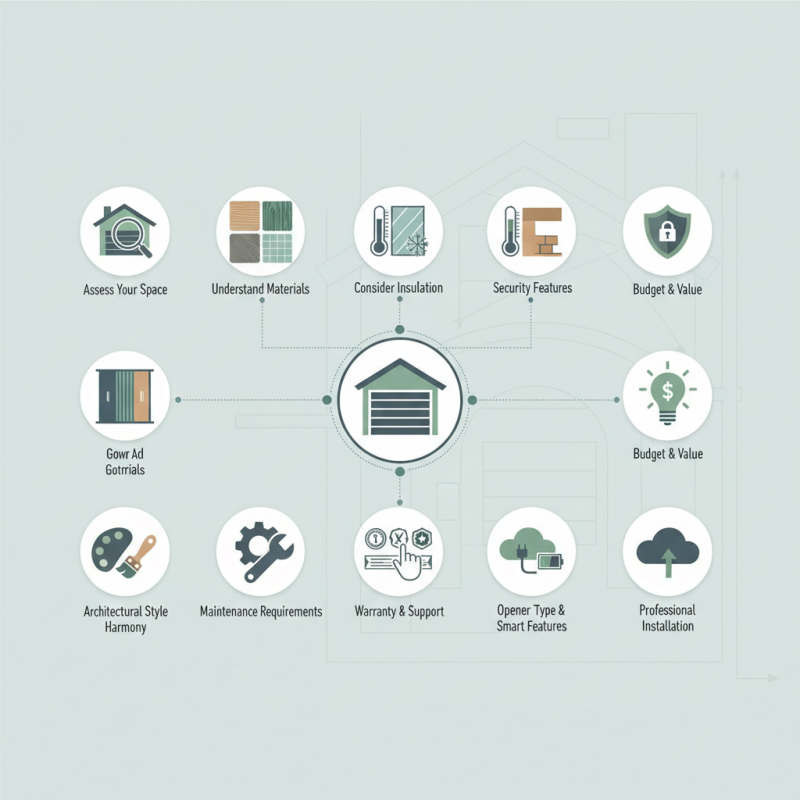
In this guide, we will explore ten essential tips that will assist you in selecting the perfect original overhead door for your residence. From assessing your space and understanding the different materials available to considering insulation and security features, each tip is designed to help you navigate the complexities of this important investment. By the end of this article, you will be equipped with the knowledge to make an educated choice, ensuring that your new overhead door not only enhances your property's aesthetics but also enhances its value and functionality.
Understanding Your Home's Aesthetic and Functional Needs
Choosing the right original overhead door for your home requires a careful consideration of both aesthetic and functional needs. Your home’s architectural style plays a significant role in this decision—doors that complement your home’s design will not only enhance its curb appeal but also maintain a cohesive look. For example, if your home features modern lines and bright colors, a sleek, contemporary door can create a stunning contrast.
When considering functionality, it’s essential to think about how often the door will be used, the local climate, and your lifestyle. A door that is too heavy might become cumbersome, while a lighter option might not provide the insulation you require during colder months. It’s advisable to choose doors that offer durability and energy efficiency, ensuring that they can withstand the elements while providing utility.
When selecting your overhead door, consider the material options available—wood, steel, and fiberglass all present unique benefits. Additionally, prioritize features such as insulation, security, and maintenance needs. Each of these factors not only influences performance and longevity but also plays a critical role in aligning the door with your home’s overall aesthetic. By understanding these elements, you can make an informed choice that enhances both the beauty and functionality of your space.
10 Essential Tips for Choosing the Right Original Overhead Door for Your Home
| Tip No. |
Tip Description |
Aesthetic Consideration |
Functional Need |
| 1 |
Consider your home's architectural style. |
Modern, Contemporary |
Match the door with the overall design. |
| 2 |
Choose the right material. |
Wood, Steel, Aluminum |
Durability and maintenance requirements. |
| 3 |
Evaluate insulation properties. |
Energy-efficient look |
Energy savings and comfort. |
| 4 |
Select appropriate colors. |
Complementary vs. contrasting |
Visibility and curb appeal. |
| 5 |
Analyze safety features. |
Reliable locks, sensors |
Protection against intruders. |
| 6 |
Incorporate customization options. |
Unique design elements |
Tailored to personal preference. |
| 7 |
Research lift systems. |
Traditional vs. modern designs |
Ease of operation and space-saving. |
| 8 |
Consider window options. |
Light and visibility |
Interior brightness and aesthetics. |
| 9 |
Plan for maintenance. |
Long-term aesthetic upkeep |
Functionality over time. |
| 10 |
Consult with professionals. |
Expert aesthetic advice |
Ensure functional requirements are met. |
Evaluating Different Types of Overhead Doors
When evaluating different types of overhead doors for your home, it’s essential to consider the material, style, and insulation properties of each option. Steel doors are renowned for their durability and security, while wood doors provide timeless beauty and can be customized to fit any aesthetic. Fiberglass doors, on the other hand, offer a lightweight solution that resists denting and corrosion. Each material has its pros and cons, making it crucial to analyze what aligns best with your home’s requirements and climate.
**Tip:** Always think about insulation when choosing your overhead door. Insulated doors can help maintain temperature control in your garage, improving energy efficiency and comfort throughout your home. Look for R-values to gauge thermal performance; the higher the R-value, the better the door will insulate.
Furthermore, consider the door style that complements your home's architecture. From traditional raised panel designs to modern flush doors, the appearance can significantly influence your home's curb appeal. Also, think about the operational mechanism—manual versus automatic. Automatic doors offer convenience, especially for busy households, while manual doors may appeal to those seeking a classic touch.
**Tip:** Don’t forget to explore color and finish options. A well-chosen color not only enhances the overall look of your home but can also increase its value. Ensure that the finish of the door contributes to its durability, especially in regions with extreme weather conditions.
Types of Overhead Doors and Their Popularity
Considering Material Options for Durability and Maintenance
When choosing an original overhead door for your home, the material you select plays a crucial role in both durability and maintenance. Common materials include steel, wood, and fiberglass, each offering distinct advantages.
Steel doors are renowned for their strength and low maintenance requirements; they can withstand the elements and provide excellent security. However, they may not have the same aesthetic appeal as wood, which offers a warm, traditional look that can enhance your home's curb appeal.
Wood doors, while visually striking, demand more upkeep to prevent warping and rot, especially in humid environments.
Fiberglass doors provide a balanced compromise between durability and aesthetics. They resist denting and rusting, making them suitable for various climates, while also mimicking the appearance of painted wood. With a simple cleaning and occasional touch-ups, fiberglass can maintain its appearance over time without the extensive maintenance wood requires.
When considering your choice, it’s essential to evaluate how each material fits your lifestyle, local climate, and the overall design of your home. Making an informed decision about the material will ensure your overhead door serves you well for years to come.
Sizing Your Overhead Door for Perfect Fit and Functionality
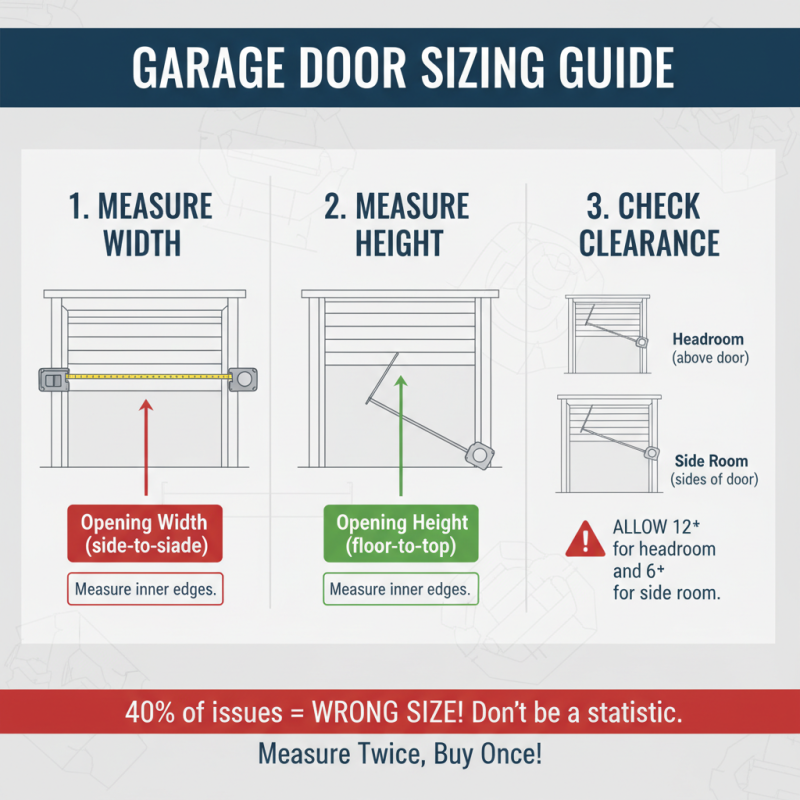
When selecting the right original overhead door for your home, proper sizing is crucial to ensure not only a perfect fit but also optimal functionality. According to industry studies, approximately 40% of homeowners report issues with door misalignment or operational inefficiencies due to improper measurements. To avoid these common pitfalls, it's essential to take accurate measurements of your garage opening before making a purchase.
Tip: Always measure the width and height of your garage door opening in multiple locations. This will help you identify the smallest opening size, ensuring that your new door will fit seamlessly. Additionally, consider the headroom above the opening, as most overhead doors require a certain amount of space for the tracks and springs. Industry standards recommend at least 12-18 inches of headroom for efficient operation.
Another essential aspect of sizing is understanding the overall door style and insulation needs. Based on the U.S. Department of Energy's data, insulated doors can improve energy efficiency by reducing heat loss in colder climates. A properly sized insulated door can contribute to a lower energy bill and greater comfort inside your garage.
Tip: If you live in an area with extreme temperatures, ensure your door is fitted to accommodate insulation thickness. This careful consideration will not only enhance functionality but also extend the life of your overhead door. Remember, taking the time to prioritize size and fit will yield lasting benefits for your home's garage.
Budgeting for Your Original Overhead Door Installation and Maintenance
When planning to install an original overhead door, budgeting for both installation and ongoing maintenance is crucial to ensure a smooth process and long-term satisfaction. The average cost of an overhead door installation can vary widely, typically ranging from $800 to $1,500, depending on factors such as door type, material, and complexity of the installation. According to a recent report from the Home Improvement Research Institute, homeowners are recommended to allocate an additional 10-15% of the installation cost for unexpected expenses that may arise during the installation process.
Maintenance costs should also be factored into the budget, as regular upkeep is essential to prolonging the lifespan of your overhead door. Studies show that routine maintenance can reduce repair costs by as much as 30%. Annual maintenance, which often includes tasks such as lubricating moving parts and checking for wear, can range from $75 to $150. Homeowners should be aware that neglecting maintenance can lead to more significant issues, eventually resulting in high repair bills, which can be 10-20% of the initial installation cost.
In conclusion, a well-structured budget for an original overhead door involves not just the initial installation but also careful planning for future maintenance. This holistic approach not only minimizes unexpected expenses but also ensures that the door operates efficiently and lasts for years to come, ultimately providing value for your investment.