What Are the Top Types of Garage Doors to Order?
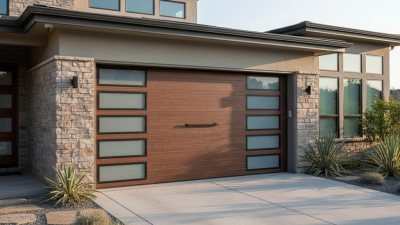
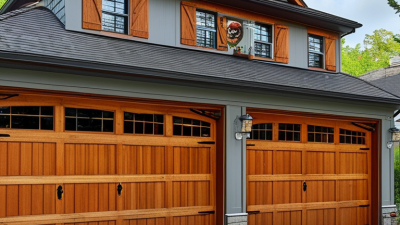
Choosing a garage door is about more than curb appeal. The right style must fit the opening, ceiling space, daily use, and local weather. Sectional doors rise along ceiling tracks, making them a common choice where driveway space is limited. Roll-up doors coil above the opening and can suit garages with little overhead room. Side-hinged doors swing outward, so they need clear space in front. Tilt-up doors move as one panel and require room to swing. Looks matter. Carriage-house designs offer classic panel details, often with modern sectional operation.
When you order garage door options, compare more than photographs. Check the door’s dimensions, track requirements, insulation value, material, and opener compatibility. A heavier door may need suitable springs and hardware. Poorly matched components can affect operation, so confirm specifications with the manufacturer or a qualified installer. Steel is often chosen for durability and low maintenance; wood brings natural character but usually needs more upkeep. Insulation may help moderate temperature changes between the garage and adjoining rooms. Measure carefully. Include the opening width and height, side clearance, headroom, and backroom. A common oversight is measuring the opening but forgetting ceiling-mounted lights or storage racks. Small details matter. This guide compares popular garage-door types and the practical trade-offs behind each. No single design suits every home. Weigh the space you have, the way you use the garage, and the maintenance you can realistically manage. That is worth remembering.
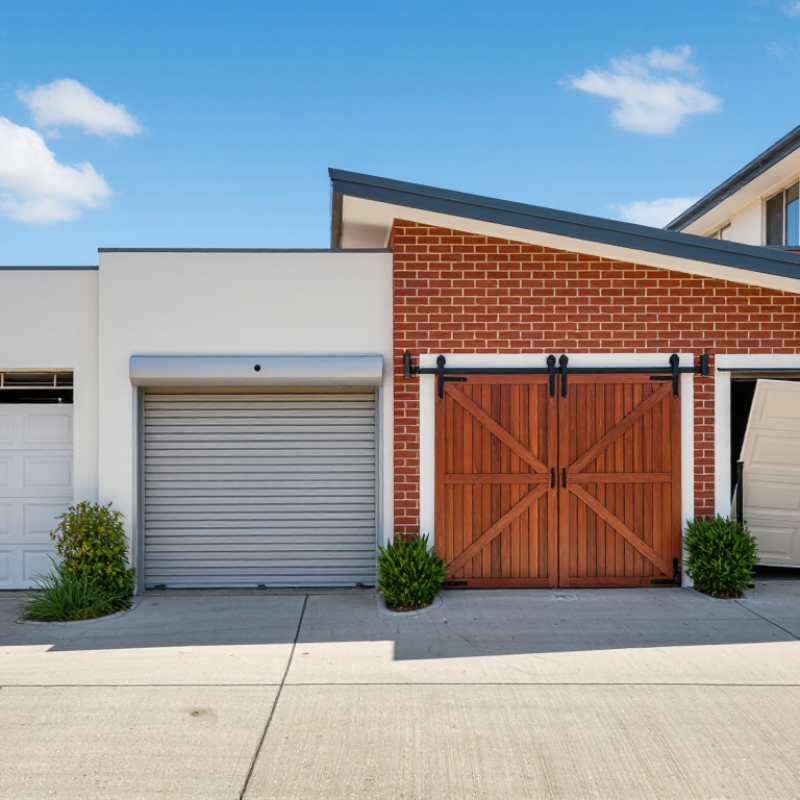
Classify Sectional, Roll-Up, Tilt-Up, and Side-Hinged Door Designs
Sectional doors use several horizontal panels joined by hinges. As the door opens, the panels curve along tracks and rest beneath the ceiling. This design suits many garages because it leaves the driveway mostly clear. Measure the ceiling and side clearance carefully. Tracks need room, too.
Roll-up doors use narrow slats that coil above the opening. They can keep the ceiling area relatively open, but the coil still needs suitable headroom. Tilt-up doors use one solid panel that pivots outward and then moves overhead. They have fewer panel joints. Watch the driveway clearance; a parked car close to the door can become an awkward obstacle.
Side-hinged doors swing outward from vertical hinges, much like a pair of large gates. They offer simple access and avoid overhead tracks, but snow, bins, or a narrow path may restrict their movement. Check the hinges, frame, and available swing space before ordering. An uneven floor or older opening can complicate the fit, and measurements may need professional verification. There is no flawless design. A door that saves ceiling space may still be inconvenient when its opening path clashes with everyday use.
Compare Steel, Wood, Aluminum, and Fiberglass by Weight and Upkeep
A garage door’s weight affects installation, hardware, and how smoothly it moves. Steel is usually a practical middle ground: stronger and heavier than thin aluminum, but often lighter than solid wood. Its finish may need occasional cleaning and inspection for chips, since exposed steel can rust. A dent can be annoying. Insulation and panel construction also change the total weight, so material alone does not tell the whole story.
Wood has a substantial feel and can suit homes where natural grain matters, but it often weighs more than other options. That extra load may require appropriately rated springs and an opener. Wood needs attention. Check the finish for peeling, moisture damage, or fading, especially along the bottom edge after wet seasons. Upkeep can vary with climate and exposure, and that part is easy to underestimate.
Aluminum is lightweight and naturally resistant to rust, which can make manual operation easier. However, thinner panels may dent from a stray ball or a bumped bicycle. Fiberglass is also relatively light and needs little routine finishing, but harsh impacts or extreme cold may make some panels crack or become brittle. Before ordering, compare the door’s stated weight, panel construction, and maintenance instructions. A small detail worth checking: existing tracks and springs may not suit a different door’s load, even when its dimensions match.
What Are the Top Types of Garage Doors to Order? — Compare Steel, Wood, Aluminum, and Fiberglass by Weight and Upkeep
| Door Material |
Typical Door Weight |
Upkeep |
Durability and Common Considerations |
A Good Fit For |
| Steel |
About 1.5–2.5 lb per sq. ft. for many uninsulated doors; insulation and construction can increase weight. |
Low to moderate. Wash occasionally, inspect the finish, and touch up scratches or chips promptly to help prevent rust. |
Strong and widely available. Steel can dent, and damaged coatings may rust, particularly in damp or coastal conditions. |
Homeowners seeking a practical, widely available option with a broad range of styles and insulation choices. |
| Wood |
Often about 2–4+ lb per sq. ft.; solid-wood species and construction create substantial variation. |
High. Periodic cleaning, repainting or resealing, and prompt attention to peeling finish or moisture damage are important. |
Offers a natural appearance and can be refinished. Exposure to moisture and temperature changes may contribute to swelling, cracking, or warping. |
Those prioritizing a natural wood appearance and willing to maintain the finish regularly. |
| Aluminum |
Often about 1–1.5 lb per sq. ft., though glass panels and heavier frames can add weight. |
Low. Routine washing is usually sufficient; check the finish and hardware as part of regular inspections. |
Resists rust, making it useful in humid settings. Thin panels can dent more easily than steel, and some finishes may fade over time. |
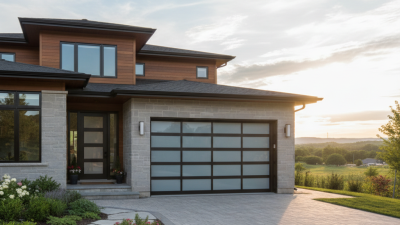
Those looking for a lightweight, rust-resistant door or a contemporary design, especially with glass panels. |
| Fiberglass |
Often about 1–2 lb per sq. ft.; the frame, glazing, and panel construction affect the final weight. |
Low to moderate. Clean periodically and inspect for cracks, surface wear, or damage to the finish. |
Does not rust and can be formed with wood-like textures. It may crack or become brittle with impact or prolonged exposure to harsh conditions. |
Those who want a lightweight, low-rust alternative with a wood-like appearance and modest upkeep. |
Weight note: These are general estimates for door panels, not a guaranteed order weight. Actual weight varies with dimensions, thickness, insulation, windows, framing, and design. Confirm the finished door’s weight with the supplier and ensure the opener and spring system are properly matched to it.
Compare Insulation Options Using Published R-Values and ASTM C518
When choosing garage-door types, compare single-layer steel, insulated steel-sandwich, and wood or composite designs by their published R-values. ASTM International’s C518 test method measures steady-state thermal transmission using a heat-flow-meter apparatus. A panel rated R-9 has 50% greater nominal thermal resistance than one rated R-6. That ratio is not a promise of 50% lower energy costs. U.S. Department of Energy Energy Saver guidance describes R-value as resistance to heat flow, not a direct estimate of household savings.
Tips: Request the actual ASTM C518 test report, not just a brochure figure. Check the tested sample and whether the value covers insulation alone or the complete door. C518 results for a panel may not capture heat loss through hinges, metal skins, seals, or gaps around the installed door.
For an attached garage, those details matter: cold air can slip under a worn bottom seal, even when the panel has a high rating. Compare doors tested on the same basis, then inspect edge seals, windows, and installation details. A higher published R-value is useful, but it is only part of the comparison. The test number can feel reassuring; it still leaves some real-world uncertainty.
Check Wind-Load Ratings Against Local Codes and ANSI/DASMA 108
When choosing among steel, wood, aluminum, or glass-panel garage doors, appearance is only part of the decision. In windy areas, ask how the complete door assembly handles pressure from both directions. A heavier door is not automatically a stronger one.
Check the required wind-load rating with your local building department before ordering. Requirements can vary by location, building design, and exposure to open terrain. Ask the supplier for documentation showing the door’s tested rating under ANSI/DASMA 108, a standard test method for structural performance under wind pressure. Match the documentation to the exact door size and configuration you plan to buy. Details matter.
A rated door can still underperform if its tracks, brackets, fasteners, or installation do not match the approved assembly. Look closely at the installation instructions, especially the anchoring points along the jambs and the spacing of track supports. If a quote lists only a model name and “wind rated,” request the actual pressure rating and supporting test information. I would not assume a rating transfers to a wider door or a different hardware setup. That assumption is easy to make. Check it before ordering.
Choose Spring Ratings: Standard 10,000-Cycle and Higher-Cycle Options
A garage door spring’s cycle rating estimates how many open-and-close cycles it can handle under specified conditions. A 10,000-cycle spring is a common standard option for doors used a few times daily. One cycle means opening and closing the door once. That distinction matters. A household with several drivers may use up those cycles sooner than expected.
Higher-cycle springs can suit busy homes where the door opens repeatedly throughout the day. They usually cost more, so the upgrade is not automatically worthwhile. I would not choose by the cycle number alone. Door weight, spring type, installation quality, and exposure to moisture can also affect service life. Ratings are estimates, not guarantees; a spring may wear sooner or last longer.
Before ordering, ask a qualified garage-door professional to match the spring rating to the door’s weight and your daily use. Share an honest estimate, even if it is imperfect. A technician can check the door’s specifications and explain suitable options. Avoid handling a spring under tension yourself; it can release with dangerous force. A higher rating is useful only when the spring is correctly matched and installed.