Choosing the right overhead garage door affects security, comfort, appearance, and daily convenience. An overhead door garage door must lift smoothly, seal tightly, and withstand repeated use. The best choice depends on more than a showroom finish. Your climate, garage size, vehicle height, and maintenance habits all matter.
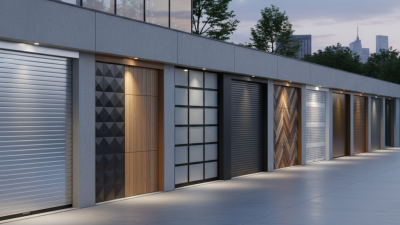
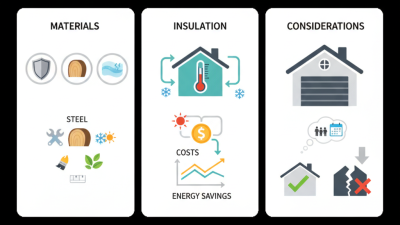
This guide examines seven strong overhead garage door options for different needs. We compare steel, aluminum, wood, fiberglass, insulated, carriage-house, and modern glass designs. Each option has practical strengths and visible limitations. Steel often offers dependable durability and lower maintenance. Wood creates warmth and character, but it may need regular sealing. Glass can brighten a dark garage, although privacy and heat control require careful planning.
Small details matter. Check the track alignment, spring system, weather seal, and opener compatibility. A poorly balanced door can shake across its rails and strain the motor. Professional installation also improves safety and long-term reliability. Manufacturer warranties, replacement-part access, and verified installer experience deserve close attention.
No ranking is perfect.
The “best” door changes with the property. I may favor insulated steel for a cold climate, while another homeowner may value natural wood more highly. Budget estimates can also shift with local labor and structural repairs. Use these recommendations as a practical starting point, not a final prescription. Measure carefully, ask qualified professionals specific questions, and inspect the door’s operation before accepting the installation.
What Are the 7 Best Overhead Garage Doors?
Understanding Overhead Garage Door Types and Their Key Differences
“Best” depends on your ceiling height, available driveway space, climate, and budget. Sectional doors use hinged panels that slide along ceiling tracks. They provide strong insulation and suit most homes. Tilt-up canopy doors lift as one solid panel, but part of the door extends outside. Tilt-up retractable doors move fully inside, requiring more clearance. Roller doors coil above the opening and preserve ceiling space. Side-sliding doors travel along one wall, making them useful when ceiling tracks are impractical. Vertical-lift doors rise straight upward, often serving tall garages. High-lift doors combine vertical movement with horizontal travel, supporting lifts or extra storage.
Each design has trade-offs. Sectional doors usually seal well, but their many moving parts need inspection. Roller doors are compact, although their insulation can vary widely. Side-sliding models offer easy pedestrian access, yet the side wall must remain clear. High-lift systems look efficient, but incorrect measurements can create expensive problems. A common mistake is choosing appearance before checking track geometry, spring balance, and headroom. That decision often causes noise, binding, or poor sealing.
Tips: Measure the opening, ceiling, and side clearances twice. Ask for the door’s wind rating and insulation value. Check safety sensors monthly. Watch the cables, rollers, and springs for rust or uneven movement. Never adjust loaded springs without qualified training. A professional assessment is worthwhile, especially for older structures or unusual openings.
The best garage door depends on available space, insulation needs, appearance, security, operating style, and maintenance requirements. The comparison below covers seven widely used garage door configurations and their practical differences.
| Door Type | How It Operates | Best For | Space Requirements | Insulation Potential | Main Advantages | Key Limitations | Typical Maintenance | Overall Suitability |
|---|---|---|---|---|---|---|---|---|
| Insulated Sectional Door | Several hinged panels travel vertically, then horizontally along ceiling-mounted tracks. | Attached garages, homes in hot or cold climates, and everyday residential use. | Requires clear ceiling space for horizontal tracks and sufficient side room for hardware. | High. Steel or aluminum panels can contain polyurethane or polystyrene insulation. | Excellent weather sealing, good thermal performance, quiet operation when properly installed, and many window and panel designs. | Needs ceiling tracks and multiple moving parts; damaged panels or rollers may require professional service. | Lubricate hinges and rollers, inspect cables and springs, test balance, and keep tracks clean. | ★★★★★ |
| Non-Insulated Sectional Door | Hinged panels move from the vertical opening to a horizontal position beneath the ceiling. | Detached garages, moderate climates, workshops, and budget-conscious installations. | Needs overhead track clearance but normally does not require exterior swing space. | Low to moderate, depending on the panel material and weather seals. | Usually cost-effective, widely available, easy to automate, and suitable for many standard openings. | Provides limited temperature control and may transmit more outdoor noise than insulated construction. | Check panel hinges, rollers, cables, springs, bottom seal, and track alignment. | ★★★★☆ |
| Rolling Steel Door | Interlocking slats roll into a compact coil above the opening or inside a protective housing. | Commercial spaces, workshops, storage areas, and garages where security and compact storage matter. | Needs headroom for the roll or coil; it generally leaves the ceiling area more open than sectional tracks. | Moderate to high, depending on slat construction and the available insulation system. | Strong security, efficient use of overhead space, durable steel construction, and good resistance to frequent operation. | Can be noisier, heavier, and more industrial in appearance; repairs may require trained technicians. | Clean slats, inspect guides and end locks, lubricate approved components, and check the curtain for damage. | ★★★★☆ |
| Side-Sliding Door | One or more sections slide horizontally along a track beside the garage wall instead of moving overhead. | Garages with limited ceiling clearance, loft storage, roof-mounted equipment, or unusual roof structures. | Requires clear wall space beside the opening and a level floor or suitable bottom guide. | Moderate to high when insulated panels and suitable perimeter seals are used. | Leaves the ceiling unobstructed, can open partially for pedestrian access, and works well with irregular ceiling layouts. | Needs substantial side clearance and may reduce usable wall space; floor conditions can affect smooth operation. | Keep the floor guide and rollers clean, inspect seals, and maintain track alignment. | ★★★★☆ |
| Tilt-Up Canopy Door | A single rigid panel tilts upward and leaves part of the panel projecting outside the garage during opening. | Simple detached garages, traditional designs, and openings with adequate driveway clearance. | Requires space in front of the garage for the outward swing and overhead clearance for the panel. | Low to moderate, depending on the panel design and available insulation. | Simple appearance, relatively straightforward construction, and fewer panel hinges than sectional designs. | Must not be opened when a vehicle is too close; the projecting panel can limit driveway clearance and airflow. | Inspect pivot points, counterbalance hardware, fasteners, and weather seals; keep the operating area clear. | ★★★☆☆ |
| Tilt-Up Retractable Door | A single panel tilts upward and retracts fully into the garage on horizontal tracks. | Traditional residential garages where a clean exterior and full opening are preferred. | Requires ceiling tracks and enough internal depth; it generally needs less exterior swing space than a canopy door. | Low to moderate, with performance determined by panel material and sealing quality. | Panel retracts inside the garage, offers a broad unobstructed opening, and has a classic appearance. | Uses considerable internal space and can place stress on pivot and counterbalance components. | Inspect tracks, pivots, springs, cables, and seals; do not adjust high-tension hardware without proper training. | ★★★☆☆ |
| Side-Hinged Carriage-Style Door | Two or more leaves swing outward or inward from hinges mounted at the sides of the opening. | Garages with sufficient driveway clearance, period-style architecture, and frequent pedestrian access. | Needs clear swing space in front of or inside the garage and adequate wall structure for hinges. | Moderate to high when built with insulated cores and quality perimeter seals. | Easy walk-through access, attractive traditional styling, simple manual operation, and no ceiling tracks. | Requires swing clearance, can be affected by wind, and may be less convenient for frequent vehicle access. | Lubricate hinges and latches, adjust alignment, inspect weather seals, and check frame fasteners. | ★★★☆☆ |
Selection tip: For most attached homes, an insulated sectional door offers the best balance of weather protection, security, appearance, and automation. Rolling steel and side-sliding doors are often better choices when ceiling clearance or security is the primary concern.