Best Industrial Overhead Door Options for Your Business Needs?
Choosing the right industrial overhead door is crucial for your business. This investment impacts efficiency, safety, and energy costs. According to a report by the American Association of Mechanical Engineers, proper door selection can improve operations by up to 30%. The functionality of your industrial overhead door directly affects workflow and access to your facility.
Multiple industries rely on these doors for various applications. Warehouses, manufacturing plants, and distribution centers all utilize them. Features such as insulation and material durability can significantly impact energy savings. Data shows that insulated doors lower heating and cooling costs by approximately 20%. Nevertheless, many businesses overlook these factors.
Evaluating options is vital. Not every industrial overhead door will meet your specific needs. An ill-fitting choice could lead to operational delays or increased maintenance costs. The market offers diverse styles, including sectional, rolling, and high-speed designs. Each has its strengths and weaknesses, requiring careful consideration for the best fit.
Types of Industrial Overhead Doors: A Comprehensive Overview
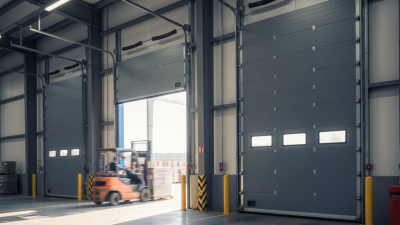
When it comes to choosing the right industrial overhead door, understanding the various types available is crucial. There are several common options, each tailored for different operational needs. Sectional doors are one of the most popular choices. They consist of panels that fold up, offering good insulation and security.
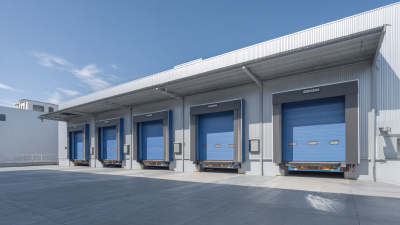
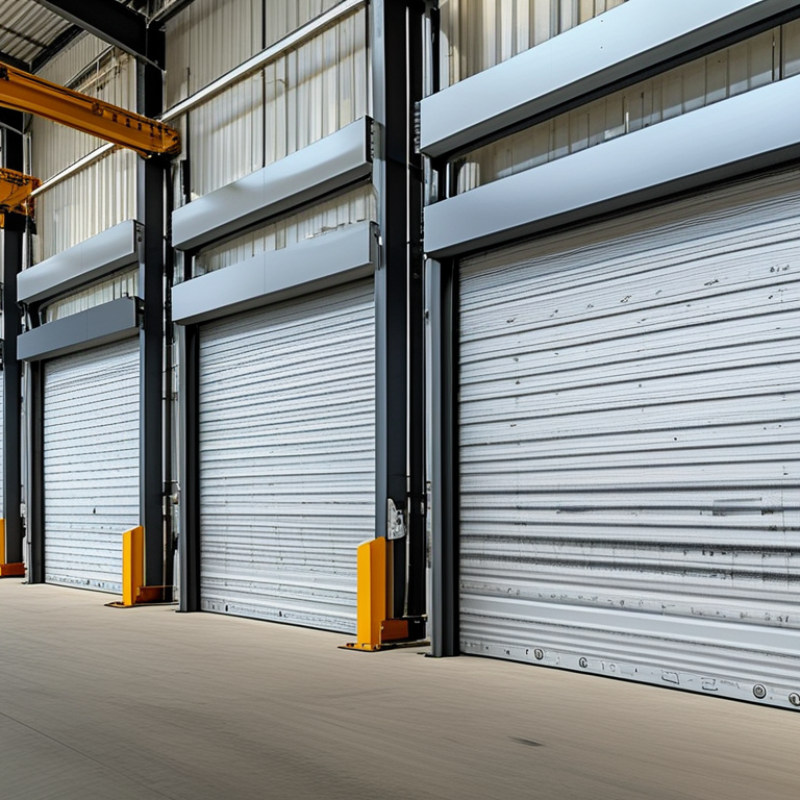
Rolling doors provide a different solution. These doors roll up and down, making them ideal for spaces with limited overhead clearance. High-speed doors, known for their rapid opening and closing, help maintain temperature control in loading docks. However, they require regular maintenance to ensure they function properly and efficiently.
Consider the environment where the door will be installed. For example, a door in a humid area may need corrosion-resistant materials. Also, think about vehicle traffic and pedestrian safety. Many facilities overlook the importance of these factors. Selecting the right door contributes to overall productivity. But don’t forget that every option has its advantages and challenges. Reflecting on your specific needs and operational flow will guide you in finding the best fit.
Key Factors to Consider When Choosing an Overhead Door
Choosing the right industrial overhead door involves critical considerations. Security and durability rank high on the list. According to a report from the International Door Association, over 70% of commercial break-ins occur through unsecured doors. A robust, secure door can deter potential threats and protect your assets.
Another factor is energy efficiency. A study by the U.S. Department of Energy indicates that insulated overhead doors can reduce energy costs by up to 30%. This is significant for businesses looking to cut operational expenses. Selecting the right insulation level is essential. Consider the local climate and the internal temperature requirements of your facility.
Maintenance needs should not be overlooked. An average industrial door requires inspections every six months, as highlighted by the National Institute of Standards and Technology. However, many businesses neglect this, leading to costly repairs. A maintenance-friendly design can minimize downtime and extend the door’s lifespan. Reflect on your specific needs, as choosing the wrong door could lead to ongoing frustration and inefficiency.
Best Industrial Overhead Door Options for Your Business Needs
| Door Type |
Material |
Insulation |
Durability |
Cost Range |
Ideal Usage |
| Sectional Doors |
Steel |
High |
Very Durable |
$2,000 - $5,000 |
Warehouses, Manufacturing Plants |
| Roll-Up Doors |
Aluminum |
Moderate |
Fairly Durable |
$1,500 - $4,000 |
Retail Spaces, Parking Garages |
| High-Speed Doors |
Fabric |
Low |
Moderately Durable |
$3,000 - $6,500 |
Food Processing, Cold Storage |
| Fold-Up Doors |
Steel |
Moderate |
Durable |
$1,800 - $4,000 |
Heavy Machinery, Workshops |
| Fire-Rated Doors |
Steel |
High |
Very Durable |
$2,500 - $5,500 |
Fire Safety Compliance Areas |
Comparing Material Options for Durability and Performance
When selecting industrial overhead doors, the choice of materials is critical. Steel and aluminum are popular due to their strength and resilience. Studies indicate that steel doors last longer and provide better insulation. A report from the American Institute of Steel Construction states that steel doors can last up to 30 years with proper maintenance. This durability reduces long-term costs, making them a solid investment for businesses.
In contrast, aluminum doors weigh less and resist rust. However, they may not withstand impacts as effectively as steel. Many industrial settings have experienced issues with aluminum doors bending or breaking under stress. Moreover, they lack the same thermal efficiency as insulated steel doors. A survey by the Door and Hardware Institute showed that over 35% of businesses reported issues with aluminum door performance over time.
Choosing the right material requires careful consideration. Factors such as local climate, the type of business, and potential impacts must be weighed. For companies in harsh environments, steel may be the more reliable choice. For businesses prioritizing weight and ease of operation, aluminum could suffice. Each option presents its own challenges and advantages, necessitating a thorough evaluation of needs to ensure optimal performance and longevity.
The Role of Insulation in Industrial Overhead Doors
Insulation plays a critical role in the effectiveness of industrial overhead doors. A well-insulated door can significantly impact energy costs and temperature control.
Research indicates that industrial facilities can save up to 20% on heating and cooling costs with proper insulation. This is especially vital in sectors where temperature-sensitive materials are stored.
In addition to energy savings, insulation enhances the overall working environment. Employees benefit from stable temperatures, which can lead to increased productivity. A study from the American Society of Heating, Refrigerating and Air-Conditioning Engineers found that comfort can improve work output by up to 15%.
However, many businesses overlook the importance of insulation, relying on basic door types without considering energy efficiency. Moreover, not all insulating materials perform equally. Factors such as R-value, the measure of thermal resistance, are crucial.
For instance, a door with a higher R-value retains heat better in winter. Yet, many companies fail to assess their needs accurately. Some doors may provide adequate insulation but lack durability, leading to long-term issues. Ultimately, choosing the right industrial overhead door requires careful consideration of both insulation performance and material strength.
Maintenance Tips for Longevity of Overhead Doors
Regular maintenance of overhead doors is essential for longevity. Inspect hinges, tracks, and springs regularly. Lubricate moving parts every few months. This reduces wear and tear. Remember that rust can form in damp environments. Apply a protective coating to metallic surfaces. This helps prevent corrosion and prolongs the lifespan of your doors.
Pay attention to the door’s seals. Weatherstripping can degrade over time. Replace worn seals to maintain energy efficiency. Dust and debris can accumulate in tracks. Keep them clean to ensure smooth operation. Listening for unusual noises during operation is crucial. Grinding or squeaking sounds may indicate an issue needing attention.
Finally, create a maintenance log. Tracking your inspections and repairs will help you identify patterns. This can reveal when a door may need replacement. Longevity is not just about the current condition. It’s about anticipating future needs and addressing them before they become problems.
Best Industrial Overhead Door Options for Your Business Needs