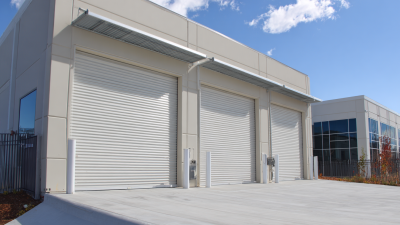
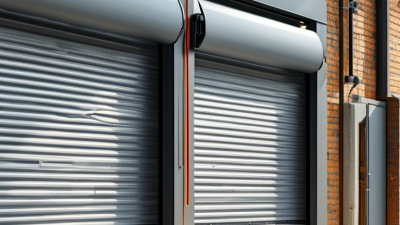
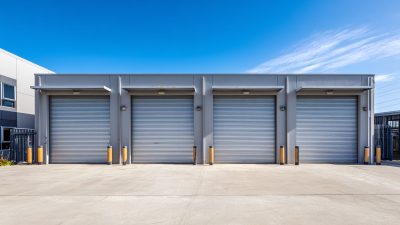
Choosing the right exterior roll up door begins with the building, not the catalog. A coastal warehouse faces salt, wind, and driving rain. A busy loading bay faces impact, heat loss, and thousands of operating cycles. The wrong door may look suitable, yet fail early at the guides, curtain, or bottom bar.
Industry evidence supports a careful approach. The U.S. Department of Energy identifies air leakage as a major source of building energy waste, making perimeter seals and installation quality important. Grand View Research also reports continued growth in the global industrial doors market, driven by logistics, manufacturing, and commercial construction. These trends suggest stronger demand for durable, energy-conscious doors. They do not make every model suitable.
Mark McGowan, a DASMA technical expert, offers a useful principle: “A rolling door should be selected as a complete system, not as a curtain alone.” That idea matters. Check opening dimensions, wind exposure, cycle frequency, insulation, security, and maintenance access together. Ask whether the motor can handle the daily workload. Examine the side guides closely. Small gaps become visible problems during storms.
This guide compares those factors in practical terms. It also questions a common assumption: the highest-priced door is not always the best door. A basic model may serve a sheltered storage building well. It may perform poorly beside a busy coastal dock. Performance depends on the match. Always confirm specifications with the manufacturer, installer, and applicable local standards. Industry reports offer direction, not a final site decision.
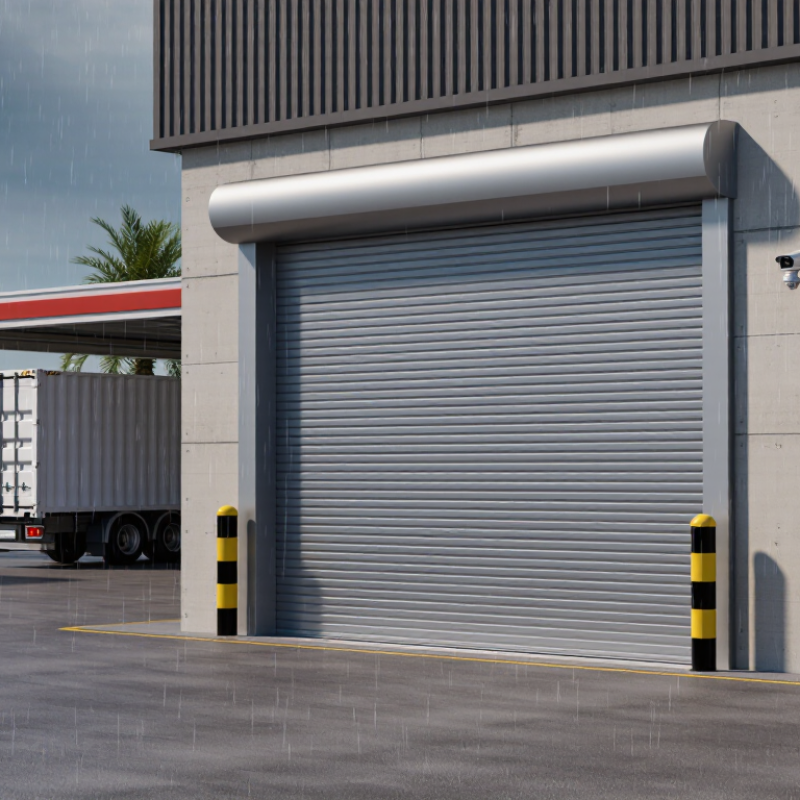
How to Choose the Best Exterior Roll Up Door?
Define Your Exterior Roll Up Door Needs and Site Conditions
Start with the opening itself. Measure width, height, headroom, side clearance, and floor level carefully. A few millimeters can affect installation.
Decide how the door will work each day. A warehouse receiving frequent deliveries needs faster cycles than a private storage building. Consider manual or powered operation, expected usage, security, and emergency access. Write down the busiest hour, not just the average day. That detail often changes the right door specification.
Weather deserves equal attention. Check prevailing wind, driving rain, sunlight, dust, and freezing temperatures. A coastal site may require corrosion-resistant components. A cold building may benefit from insulated slats and tighter seals. Confirm drainage near the threshold. Water pooling there can damage the floor and door curtain.
Review the wall structure before selecting mounting hardware. Brick, concrete, steel, and lightweight panels need different fixing methods. Ask a qualified installer to verify load paths, wind resistance, electrical safety, and local building requirements. Use documented performance data, not attractive estimates.
A common mistake is choosing by opening size alone. I have seen suitable doors fail because vehicles approached at an angle. Clearance matters more than expected. No checklist is perfect. Recheck measurements after surrounding equipment, lighting, and safety barriers are installed. Then match the door’s materials, guides, motor, and controls to the actual site, not an imagined one.
Define the required clear opening before selecting an exterior roll up door. The chart below shows typical planning dimensions for common applications. Actual dimensions should be verified against vehicle clearance, equipment size, wind exposure, operating cycles, and local building requirements.
Larger openings generally require stronger guides, greater headroom, and more robust wind-load performance. For exposed coastal or high-wind locations, confirm the required design pressure with a qualified building professional before finalizing the door specification.
Choosing an exterior roll up door starts with the building’s exposure. Steel offers strong security and resists daily impacts, but it can rust when its coating is damaged. Aluminum is lighter and naturally corrosion resistant, making it useful near coastal air. However, it may dent more easily. A site inspection should check wind, moisture, traffic, and cleaning chemicals before selecting a material.
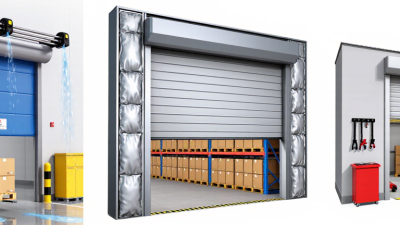
Insulation affects comfort and operating costs. Look for insulated slats, tight side guides, and a sealed bottom bar. These details reduce drafts around loading areas. Foam-filled sections can help control indoor temperatures, especially in workshops and warehouses. Still, insulation is not a complete solution. Poor installation can leave visible gaps and cold air paths. Measure the opening carefully, because small errors create large leaks.
Tips: Ask for tested wind-load data and corrosion ratings. Check whether seals remain flexible in cold weather. Inspect hinges, guides, and drainage points twice yearly. Salt, dust, and standing water can shorten service life. Do not choose the thickest door automatically; heavier construction may require stronger supports and more powerful operation. I have found that weather resistance often depends on maintenance, not only material. That part is easy to overlook.
Choosing the best exterior roll up door starts with the opening, not the catalog. In field inspections, I measure width, height, headroom, side room, wind exposure, and daily traffic. A door facing a parking area needs different protection from one beside a quiet loading bay. Security begins with the curtain, guides, bottom bar, and locking method. Stronger materials can resist forced entry, but they may add weight and maintenance demands. Ask how the assembly handles repeated impact, corrosion, and attempted lifting. A narrow guide gap matters. So does a protected lock area. No door is completely secure. That is worth saying plainly.
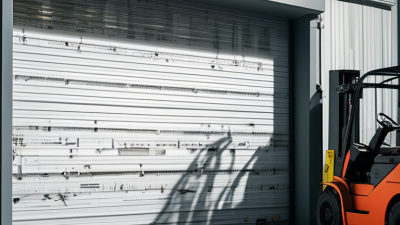
Operation should match the people using it. Manual chains can suit occasional service openings. Motors are better for frequent cycles, especially when the door is large or exposed to wind. Include visible controls, emergency release access, and a cycle rating based on real usage. Safety features deserve equal attention. Photo eyes, sensing edges, warning lights, and automatic closing controls can reduce risk when selected and installed correctly. Keep controls away from moving traffic. Test them during handover, then test them again after weather changes. I once underestimated the value of a simple inspection schedule; small guide wear became noisy, uneven travel. That mistake changed my approach. I now request maintenance access, clear service records, and written instructions before approval. A practical choice may be less impressive, but it usually performs more reliably.
How to Choose the Best Exterior Roll Up Door?
Choosing an exterior roll up door begins with accurate measurements, not appearance. Measure the opening width, height, and available headroom twice. Measure twice. A first measurement can still be wrong. Record side clearance, backroom depth, and the distance to nearby lights or pipes. These details matter when the curtain rolls above the opening. Leave enough space for brackets, guides, and safe operation.
Installation conditions also influence the door design. A windy coastal site may require stronger guides and more secure anchoring. A busy warehouse may benefit from a motorized system with reliable safety controls. Check the wall material before selecting fasteners. Brick, concrete, and steel each need different installation methods. I have seen small mounting errors cause vibration, uneven movement, and premature wear. A qualified installer should verify alignment and follow the supplied installation instructions.
Maintenance needs deserve equal attention. Choose a finish suited to rain, dust, sunlight, or changing temperatures. Inspect the guides, bottom bar, fasteners, and seals regularly. Remove dirt before it becomes packed into the tracks. Lubricate only the components recommended by the manufacturer. Do not ignore unusual noise. It may indicate tension, alignment, or hardware problems. Keep a simple service record with inspection dates and repairs. This practice improves reliability, although it cannot replace professional assessment after impact damage. A practical door is one that fits the opening, suits the site, and remains serviceable over time.
| Door Category | Typical Clear Opening Width | Typical Clear Opening Height | Common Curtain Material | Typical Installation Requirements | Insulation and Weather Protection | Maintenance Needs | Best-Fit Applications |
|---|---|---|---|---|---|---|---|
| Compact Service Door | Approximately 3–8 ft (0.9–2.4 m) |
Approximately 6–8 ft (1.8–2.4 m) |
Galvanized or stainless steel slats; aluminum may be used where low weight is important |
|
Usually non-insulated; provides basic separation from weather, dust, and unauthorized access. |
|
Small retail openings, utility rooms, concession areas, kiosks, and service counters. |
| Standard Commercial Door | Approximately 8–16 ft (2.4–4.9 m) |
Approximately 7–12 ft (2.1–3.7 m) |
Galvanized steel is common; aluminum is suitable when corrosion resistance and reduced weight are priorities |
|
Generally non-insulated; weather seals can reduce drafts but do not provide the thermal performance of an insulated door. |
|
Retail stores, workshops, loading areas, storage rooms, and light industrial buildings. |
| Large Industrial Door | Approximately 16–30 ft (4.9–9.1 m) |
Approximately 12–20 ft (3.7–6.1 m) |
Heavy-gauge galvanized steel or stainless steel; curtain thickness and profile depend on wind and impact requirements |
|
Standard models are often non-insulated; insulated curtains are available when energy control or temperature separation is required. |
|
Warehouses, manufacturing plants, distribution facilities, garages, and large equipment bays. |
| Insulated Exterior Door | Approximately 8–20 ft (2.4–6.1 m) |
Approximately 7–16 ft (2.1–4.9 m) |
Double-wall steel or aluminum slats with an insulating core; exact thermal performance varies by construction |
|
Better resistance to heat transfer and air leakage than a typical single-wall curtain; confirm the tested U-factor, R-value, and air-infiltration rating for the selected model. |
|
Climate-controlled warehouses, food-related storage areas, commercial kitchens, and buildings with conditioned interiors. |
| High-Cycle Motorized Door | Approximately 8–24 ft (2.4–7.3 m) |
Approximately 7–18 ft (2.1–5.5 m) |
Steel, stainless steel, or aluminum curtain selected according to cycle rate, corrosion exposure, and wind requirements |
|
Weather protection depends on curtain profile, guides, bottom seal, hood, and installation quality; insulation is optional and model-specific. |
|
Busy loading docks, parking structures, service bays, logistics facilities, and high-traffic commercial openings. |
| Corrosion-Resistant Door | Approximately 4–20 ft (1.2–6.1 m) |
Approximately 6–16 ft (1.8–4.9 m) |
Stainless steel or corrosion-resistant aluminum; coating selection should match the exposure level |
|
Provides improved resistance to moisture and corrosive environments; it is not automatically insulated or airtight. |
|
Coastal buildings, car washes, wastewater facilities, commercial kitchens, food-processing support areas, and chemical-exposure locations. |
Selection note: Actual maximum dimensions, wind-load ratings, headroom, side-room requirements, cycle ratings, insulation values, and code approvals vary by door design and installation conditions. Measure the finished opening, review the building structure, and verify local building, fire, electrical, and safety requirements before ordering.
An exterior roll-up door should be judged as a system, not a curtain of steel. The key test is balance: performance, code compliance, and long-term cost. The International Energy Agency’s Energy Efficiency 2023 report states that buildings consume about 30% of global final energy. Poorly sealed openings quietly increase heating and cooling demand. Air leakage matters. Select a door with documented wind, cycle, insulation, and air-infiltration ratings. Ask for test methods, not sales adjectives.
Code compliance protects the project and its occupants. Confirm local wind-load requirements, fire separation rules, emergency egress, and operator safety provisions before ordering. NFPA 80 addresses installation and maintenance of opening protectives. The International Energy Conservation Code sets envelope expectations in many jurisdictions. Requirements vary. A qualified code official or licensed installer should review the drawings. The cheapest quote may exclude guides, controls, electrical work, inspections, or future repairs. That is where budgets become uncomfortable.
Tips: Compare total cost over ten years. Include purchase, installation, electricity, inspections, replacement parts, and downtime. The U.S. Department of Energy states that buildings use roughly 40% of U.S. energy. A tighter opening can have measurable value. Still, insulation alone is not enough. A damaged bottom seal can defeat a well-rated curtain. Measure traffic frequency, salt, dust, impact risk, and exposure. Request written warranty limits and maintenance intervals. Leave room for doubt. A door that performs well on paper may fail in a neglected doorway.

Since 1984, Thermostop has been a reputable manufacturer of Industrial Sectional Doors, Cold Storage Doors and Specialty Doors such as Impactable Breakaway doors, Acoustic Doors and Ballistic Doors.
Contact