What Are the Top 10 Garaga Door Options for Global Buyers?
Choosing a garage door is no longer a purely decorative decision. It affects security, insulation, noise, maintenance, and daily convenience. Grand View Research estimates that the global garage door market will grow steadily through 2030, driven by residential construction, replacement demand, and smart-home adoption. However, market estimates differ between research firms. That difference deserves attention.
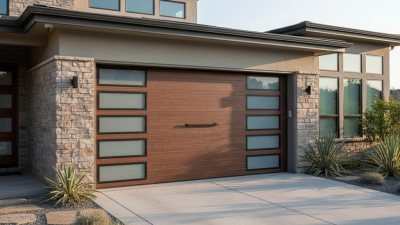
A garaga door can serve very different buyers. A cold-climate homeowner may need insulated steel with strong weather seals. An architect may prefer aluminum and glass for a clean, modern façade. A commercial property manager may prioritize high-cycle hardware and simple maintenance. Tom Wadsworth, a longtime garage-door industry educator, offers a practical reminder: “The right door must fit the building, the climate, and the way people use it.” That principle guides this selection.
The following ten garaga door options compare real-world priorities, including energy performance, design flexibility, durability, operating noise, and installation requirements. Options include insulated steel, contemporary aluminum, full-view glass, traditional wood, composite construction, carriage-house styling, flush panels, raised panels, custom designs, and commercial-grade systems. The U.S. Department of Energy highlights the building envelope as an important factor in energy performance, but a garage door alone cannot solve every comfort problem. Insulation helps.
So does careful installation.
Buyers should also check wind exposure, opening dimensions, track clearance, spring cycles, and local service access. A beautiful door can still disappoint when replacement parts are difficult to obtain. This guide therefore considers more than appearance. It weighs evidence, practical experience, and a few uncomfortable trade-offs that product brochures often overlook.
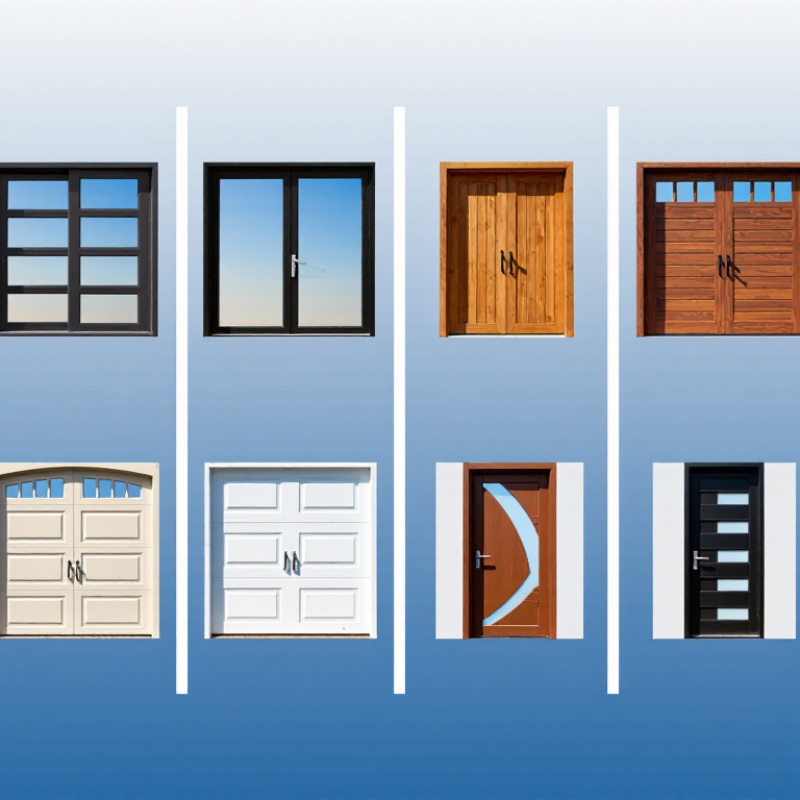
Garaga’s 10 Door Options Classified by Construction, Use, and Market
What Are the Top 10 Garage Door Options for Global Buyers?
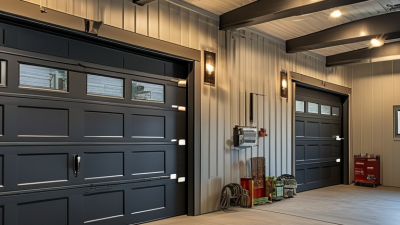
Garage doors differ by construction, daily use, and market conditions. The first group includes insulated sectional doors, non-insulated sectional doors, rolling steel doors, and high-speed fabric doors. Insulated sections suit cold regions and heated garages, reducing drafts around the opening. Non-insulated panels cost less and work well in mild climates. Rolling steel doors save ceiling space in workshops and retail units. High-speed fabric doors support busy facilities where temperature control and fast movement matter.
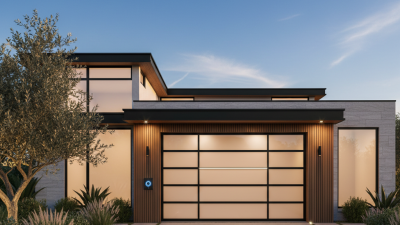
The second group focuses on use. Side-sliding doors help garages with limited headroom. Full-view aluminum and glass doors suit showrooms, restaurants, and modern homes. Fire-rated doors support compartment planning when local certification requirements are met. Agricultural sliding doors provide wide access for tractors, trailers, and storage buildings. These choices need accurate measurements, suitable tracks, and careful maintenance. Small installation errors can create loud operation or uneven sealing.
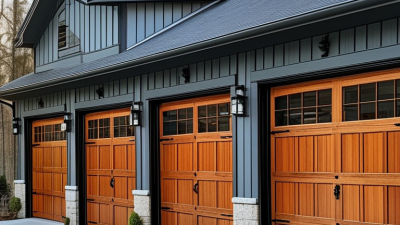
The final two options reflect market preferences: carriage-style residential doors suit traditional architecture, while dock-height commercial doors support loading areas and frequent vehicle movement. I have seen buyers select attractive panels without checking wind exposure, salt air, or replacement-part availability. That decision can become expensive. Regional standards also vary, so tested performance should matter more than impressive wording. No option fits every building. Even this classification has limits, because one door may serve several purposes. Practical selection requires site inspection, climate data, traffic estimates, and honest advice from qualified installers.
Top 10 Garage Door Options for Global Buyers
Representative maximum opening-width benchmarks by construction, primary use, and common market application.
Sectional doors are widely selected for residential and light-commercial buildings, while rolling, fire-rated, and high-speed doors are more common in industrial and logistics environments. Actual dimensions depend on engineering design, wind-load requirements, local building codes, and available hardware.
Insulation Choices Compared by R-Value, U-Factor, and Climate Zone
For global buyers, the top ten garage door options differ mainly in insulation design, not appearance. Common choices include steel sandwich panels, polyurethane-filled steel, polystyrene-filled steel, insulated aluminum, insulated fiberglass, wood composite, solid timber, multi-layer vinyl, glass-and-aluminum, and basic single-skin steel doors. Each option suits a different climate and budget.
R-value measures resistance to heat flow, so higher values generally support better insulation. U-factor measures heat transfer, and lower values are preferable. Polyurethane-filled panels often achieve strong R-values with thinner profiles. Polystyrene panels cost less but may provide less efficient insulation at the same thickness. Solid timber can perform reasonably well, yet its joints may expand during humid seasons. Single-skin steel offers limited thermal protection.
Cold climate zones usually benefit from insulated doors with high tested R-values, sealed edges, and thermal breaks. In hot zones, a lower U-factor can reduce heat entering a garage during intense sunlight. Mild climates may not require the thickest panel. That sounds obvious.
Installation changes the result. A high-rated door with gaps beneath it can waste energy quickly. Check the complete door assembly, including glazing, seals, hinges, and tracks. Ask for independently tested data, not only a marketing estimate. R-values are not always measured under identical standards, so direct comparisons can mislead. Local humidity, wind exposure, and garage use should influence the final choice. My own cautious view is simple: performance figures matter, but installation quality often decides whether those figures become real.
Wind-Load and Structural Ratings: ASTM, ANSI/DASMA, and Local Codes
For global buyers, the top ten garage door options should be judged by structure, not appearance alone. They include insulated sectional, non-insulated sectional, high-lift, vertical-lift, full-view, rolling, side-sliding, heavy-duty commercial, coastal-rated, and custom oversized doors. Each design behaves differently under wind pressure. A wide full-view door may need stronger mullions and thicker tracks. An oversized sectional door can require reinforced hinges, rollers, and brackets.
ASTM testing helps verify pressure resistance, hardware performance, and material behavior. Ask whether the door was tested under positive and negative wind loads. ANSI/DASMA guidance supports design, testing, installation, and labeling practices in North America. Ratings should show design pressure, not vague claims such as “storm ready.” A door rated for 50 psf is not automatically suitable for every building. Opening size changes the engineering demand.
Local codes remain decisive. Coastal regions may require impact-resistant glazing, protected hardware, or higher missile-impact performance. Snow regions can add roof and header concerns. The supporting wall, anchors, tracks, and concrete must match the door rating. In practice, I have seen a strong door fail because installers used weak anchors. That mistake is easy to miss. Request signed test reports, stamped calculations when required, and installation records. A local structural engineer or certified installer should confirm the complete assembly. Manufacturer data can be useful, but it is not a substitute for site-specific review. Some specifications still need clarification.
Safety and Security Benchmarks: Cycle Life, Fire Ratings, and Glazing
When comparing the top ten garage door options for global buyers, safety evidence matters more than appearance. Check the tested cycle life, not only the advertised number. A door rated for 25,000 cycles may suit a private home, while busy facilities may require higher endurance. Ask for test methods, maintenance conditions, and failure records. Numbers without context can mislead.
Fire performance requires careful attention.
Confirm the door’s fire rating, test standard, and installation limits with qualified local professionals. A certified assembly may lose protection if seals, tracks, or hardware are changed. Glazing deserves equal scrutiny. Look for laminated or tempered safety glass, secure retention, and impact testing. Clear panels improve visibility, but they can create weak points if poorly framed. Security is not just a strong panel. Locks, reinforced tracks, emergency release systems, and resistance to forced lifting must work together. I would not trust a brochure alone.
Tips:
Request independent laboratory reports, installation drawings, warranty terms, and replacement-part availability. Compare cycle testing under realistic weather conditions. Inspect seals after repeated operation. Small gaps matter. Also, review local fire and building requirements before ordering. Standards differ across markets, and even experienced buyers can overlook this detail. A cheaper option may become expensive after unsuitable glazing or repeated repairs. Safety decisions should remain evidence-led, even when the product looks excellent.
Global Ownership Metrics: Price, Warranty Years, Maintenance, and Lead Time
For global buyers, the top 10 garage door options are insulated steel, non-insulated steel, aluminum-glass, solid wood, composite, sectional, full-view, rolling, side-hinged, and high-speed doors. Each option changes the ownership equation. Typical installed prices range from about US$900 for basic steel doors to over US$6,000 for custom wood or full-view systems. Local labor, taxes, and shipping can shift these figures sharply.
Warranty periods usually range from five to fifteen years. Hardware and spring coverage may be shorter. The 2024 Cost vs. Value Report found that garage door replacement recovered about 194% of its cost in selected U.S. markets. That figure is encouraging, but it is not a global promise. The International Energy Agency reports that buildings remain a major energy-use sector. Insulated doors can reduce heat transfer, especially in attached garages. Yet, poor sealing can weaken that benefit. Annual inspection, lubrication, and balance testing remain practical maintenance steps. Replacement parts may take two to eight weeks in remote markets.
Tips: Compare the full delivered cost, not the catalog price. Request written warranty exclusions. Ask about spring cycles, panel availability, installation training, and emergency service. A low purchase price can become expensive after one damaged panel. I would also question unusually short lead times. They may signal limited customization or weak inventory planning.