Top Overland Garage Door Options for Global Buyers
Choosing an overland garage door for an international project involves more than comparing styles or prices. Buyers must consider opening dimensions, climate, installation conditions, and the availability of replacement parts. A door exposed to coastal air may need corrosion-resistant finishes, while a cold-region property may benefit from insulated panels and reliable perimeter seals. Wind performance, operating hardware, and cycle-life information also deserve attention. Details matter.
This guide introduces leading door options for homes, workshops, and commercial spaces, with practical differences made clear. It considers sectional, roller, and side-hinged designs, along with materials such as steel, aluminum, and timber. Each choice brings trade-offs. Insulation can improve indoor comfort, but it may add weight and require compatible springs and tracks. A compact roller door can save overhead space, yet its curtain and motor still need appropriate maintenance access.
For global buyers, specifications should be checked against local climate, site measurements, installer capabilities, and applicable regional requirements. Ask suppliers for clear product data, finish details, warranty terms, and guidance on servicing. Requesting these details is sensible, though paperwork alone cannot predict every installation issue. Even a well-specified door can disappoint if the opening is measured poorly or the hardware is mismatched. Use the comparisons ahead to narrow your options, then confirm the final configuration with a qualified local installer.
Understanding Overland Garage Door Types and Their Uses
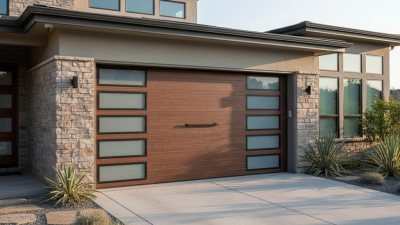
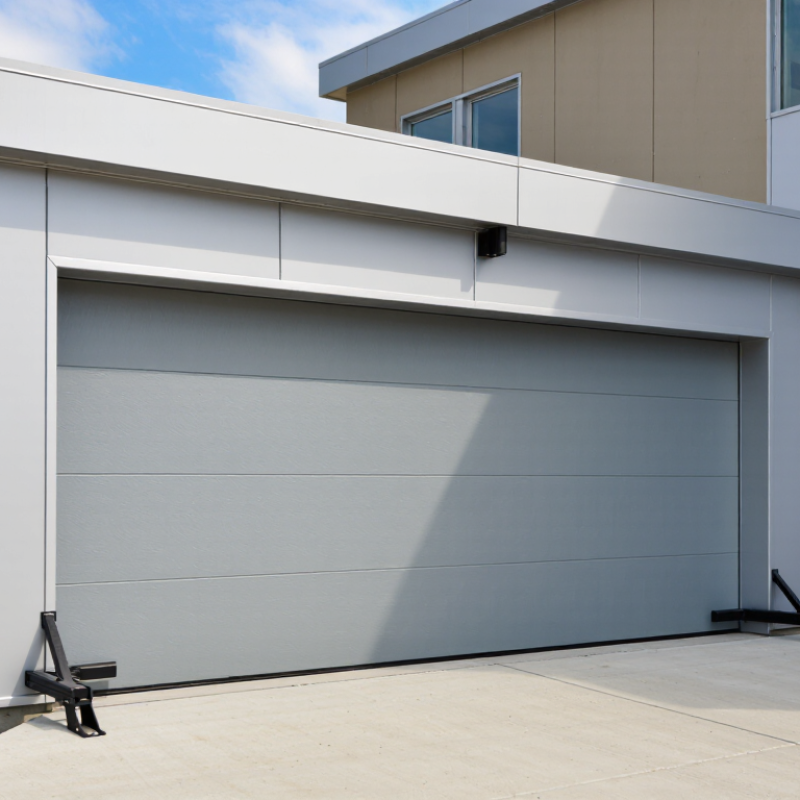
Sectional doors suit many homes because their panels rise along ceiling tracks, leaving the driveway clear. They work well where cars park close to the entrance. Check ceiling height and track space before ordering. Insulated panels can help temper garages attached to living areas, though insulation alone cannot fix air leaks around the frame. A small gap matters.
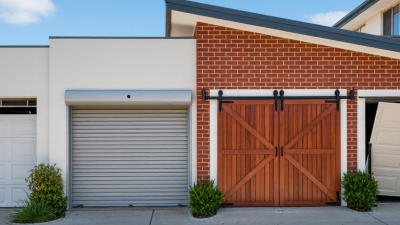
Roll-up doors coil above the opening, making them useful in workshops or sites with limited ceiling clearance. Side-hinged doors open outward and offer simple pedestrian access, but need a clear swing area. Tilt-up doors use fewer moving sections, yet require room to project outward while opening. That can be awkward on a short drive. Measure twice.
Performance matters as much as type. The U.S. Department of Energy recommends sealing air leaks and considering insulation where garages connect to conditioned spaces. For value context, Zonda’s 2024 Cost vs. Value report estimated a 194% cost recoup for garage-door replacement in its U.S. sample. That figure is not a global guarantee; local labor, materials, climate, and resale markets differ. Buyers should compare wind-load ratings, corrosion resistance, cycle testing, and available service support against site conditions. A specification sheet can look convincing, but installation quality still decides much.
Comparing Insulation, Materials, and Design Options
For an overland garage, insulation should match the building’s use and climate. A door protecting tools in a mild region may need little thermal resistance. A workshop beside a heated living space is different. Compare published insulation ratings, but check how the door’s edges and joints are sealed too. A well-insulated panel can still let in dust through a worn bottom seal. Small details matter.
Steel is a practical choice for frequent use and varied weather. Galvanized finishes help resist corrosion, though coastal air can still challenge exposed hardware. Aluminum is lighter and can suit wide openings, but it may dent more readily. Timber offers a warm, natural appearance; it needs regular care as moisture and sunlight change its finish. Composite panels can reduce upkeep, but their construction and repair options vary. There is no perfect material.
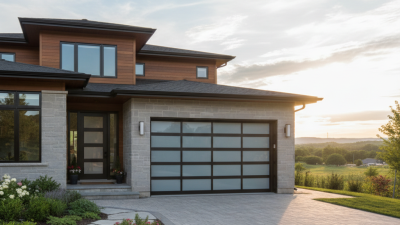
Design affects both daily use and the building’s character. Raised panels, flush surfaces, and narrow windows each create a different look. Glazing brings daylight into a dim workspace, yet it can reduce privacy and alter heat gain. Measure the opening, headroom, and side clearance before comparing layouts. A showroom sample can mislead; the installed door’s proportions may feel quite different. Check wind exposure and operating frequency with a qualified installer, especially for unusually wide doors.
Top Overland Garage Door Options for Global Buyers
Comparing insulation across common door materials and constructions
Higher R-values indicate greater insulating potential. Representative values are approximate: insulated door ratings commonly vary by thickness, core material, panel design, and testing method. Compare published specifications for the exact model and local climate.
Evaluating Security, Durability, and Climate Performance
Top Overland Garage Door Options for Global Buyers
Security starts with the whole door system, not just its panel thickness. Check the track, hinges, locking points, and frame for sturdy construction and a close fit. A door that rattles or leaves visible gaps may need adjustment, even if its materials seem heavy-duty. That matters. Ask how the locking mechanism works during a power interruption, and confirm that routine servicing is practical where the property is located.
Climate performance depends on more than insulation ratings. In hot, sunny regions, finishes and seals must tolerate prolonged heat and ultraviolet exposure. In cold or wet areas, weather seals and corrosion-resistant hardware can help limit drafts and moisture intrusion. Wind exposure also deserves attention: suitable reinforcement depends on the opening size and local conditions. A thicker panel is not automatically the better choice; added weight can affect the opener and hardware. I would compare documented test data with the actual site conditions, rather than rely on broad claims. Small gaps add up.
Tips: Check seals at the bottom corners, where uneven floors often leave openings. Ask for maintenance intervals and replacement-part availability. If possible, inspect a sample door after it has been exposed to similar weather. The details can be easy to miss.
Choosing Door Configurations for Different Property Needs
Choosing a garage door configuration starts with how the property is used each day.
A sectional door lifts along ceiling tracks, which can help when driveway depth is limited. It needs clear overhead space, though. Check beams, lights, and stored equipment before choosing this style. A roll-up door coils above the opening and can suit compact interiors. Its headroom and service access still need careful measurement. Side-hinged doors provide quick pedestrian access, but may be awkward beside a sloped drive or narrow path.
Small details matter.
For workshops, frequent vehicle access may favor a durable door with suitable cycle-rated hardware. For homes, insulation can help moderate indoor temperatures, especially when a garage shares a wall with living space. Windows bring in daylight, but their placement should preserve privacy and avoid glare on nearby work surfaces.
Not every fit is perfect.
A door that looks right on a plan may feel inconvenient after a week of daily use. Compare the opening dimensions, ceiling clearance, local weather exposure, and maintenance needs before settling on a configuration. A qualified installer can verify measurements and explain which options fit the site; assumptions made from photos alone can miss an uneven floor or obstructed track.
Assessing Installation, Shipping, and Support for Global Buyers
Global buyers should assess installation before comparing panel finishes or prices. Measure the clear opening, headroom, side room, and floor slope at the actual site. A compact sectional door may suit a low ceiling, but tracks and spring clearances still need checking. Ask for dimensional drawings, fixing details, and the door’s tested wind-load rating. A catalog sketch is not a site survey. That distinction matters.
Shipping needs equal scrutiny. Request the packed dimensions, gross weight, crate protection, and unloading requirements before confirming an order. Check whether the quoted delivery covers only the port or also inland transport to the jobsite. The World Bank’s 2023 Logistics Performance Index assessed 139 economies across customs, infrastructure, shipment arrangements, logistics services, tracking, and timeliness. Those measures do not predict one delivery, but they show why route visibility and local handling plans matter. A dented guide rail can delay installation even when the door panels arrive intact.
Support should include installation instructions, spare-part identification, and a named contact across time zones. The International Energy Agency’s 2023 Global Status Report for Buildings and Construction estimates that buildings use about 30% of global final energy and produce 26% of energy-related emissions. This broad context makes insulation and perimeter seals worth checking, though a door alone cannot determine building performance. I would verify local installer skills early; assuming every contractor knows the same spring system is an avoidable risk.