China Best Garage Door Manufacturers for Global Buyers?
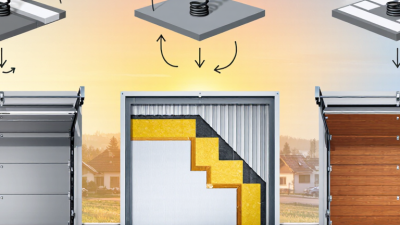
Choosing the right China garage door manufacturer requires more than comparing catalog prices. Global buyers need evidence of stable production, tested materials, and responsive export support. Many online searches use the phrase “garaga door,” but the real decision involves performance, safety, and long-term service. A reliable factory should explain its steel grades, insulation values, spring systems, and surface treatments clearly.
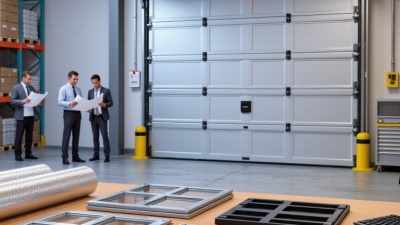
This guide examines manufacturers from a buyer’s practical perspective. It considers factory experience, engineering capability, quality control, certifications, and international shipping procedures. Buyers should look for production records, inspection reports, sample approvals, and traceable spare parts. A useful audit may include checking galvanized panels, testing torsion springs, reviewing welding points, and observing how doors are packed inside containers. Small details matter. Scratched panels can become costly claims after arrival.
Warranty terms also deserve careful attention. They should identify coverage periods, excluded parts, response times, and replacement procedures. Strong suppliers usually provide installation drawings, operating manuals, and technical answers without unnecessary delays. Still, no manufacturer is perfect. A polished website does not guarantee consistent factory output, and one successful sample cannot prove every shipment will match it. Buyers should compare several factories and verify important claims independently. This approach helps identify China’s best garage door manufacturers for different markets, climates, building types, and budgets. The strongest partnership combines honest communication, documented quality, and realistic expectations from both sides.
What Makes China a Leading Garage Door Manufacturing Hub?
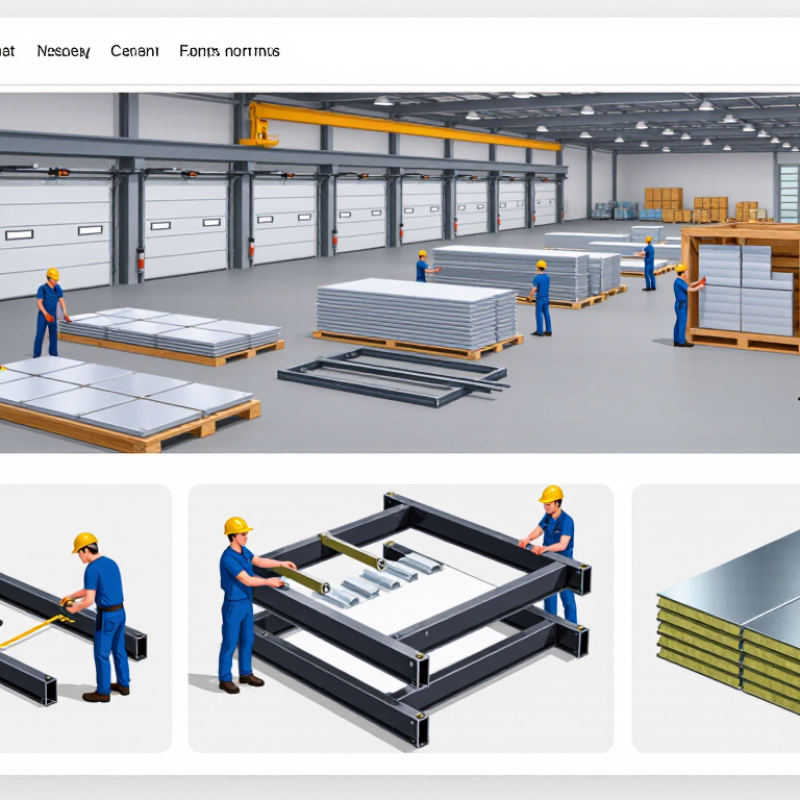
China has become a major garage door manufacturing hub through scale, engineering experience, and responsive industrial supply chains. Factories often source steel, aluminum, springs, insulation, and automation components from established regional networks. This shortens production cycles and supports consistent material availability. In factory audits, buyers can observe welding stations, powder-coating lines, panel assembly, and final inspections. Details matter. A clean floor alone proves little. Reliable suppliers document tensile strength, coating thickness, cycle testing, and packaging procedures.
China’s advantage also comes from flexible product development. Manufacturers can adjust panel dimensions, wind-load designs, thermal insulation, window layouts, and control systems for different markets. Engineering teams may review drawings, installation conditions, and local building requirements before production. That practical feedback reduces fitting problems at the job site. It is not always perfect. Communication gaps can distort technical requirements, especially when drawings lack measurements or performance targets. Experienced buyers use approved samples, written specifications, inspection checkpoints, and independent testing when needed. These steps make claims easier to verify.
Export capability is another important strength. Container loading, moisture protection, spare-part planning, and multilingual manuals affect the customer’s real experience. Manufacturers familiar with international shipments usually understand documentation, lead times, and after-sales coordination. Still, low prices should not replace evidence. A cheaper door may hide thinner panels, weaker hardware, or limited testing. Careful sourcing means comparing performance data, factory practices, and service responsiveness—not only quotations.
China’s large manufacturing base supports garage-door production through broad metalworking capacity, established component supply chains, and export-oriented infrastructure. The figures below show total manufacturing value added, not garage-door sales, and provide market context for why China is a major sourcing hub.
Source: World Bank World Development Indicators, Manufacturing value added (current US$), 2023; figures rounded.
How to Evaluate China’s Garage Door Manufacturers
China Best Garage Door Manufacturers for Global Buyers?
How to Evaluate China’s Garage Door Manufacturers
Evaluate factories through evidence, not polished catalog images. Grand View Research’s 2024 garage door analysis identifies sectional doors as a leading product segment. This makes panel alignment, spring balance, insulation, and cycle testing practical evaluation points. Ask for recent factory videos and independent test records. Check whether the tested model matches the model you will receive.
Request ISO 9001 certification, but do not treat the certificate as proof of product quality. Verify its scope, issuing body, and expiration date. For electrical operators, review compliance with relevant IEC requirements and your destination market’s safety rules. The International Energy Agency reports that buildings account for about 30% of global final energy consumption. Insulation therefore deserves attention, especially for attached garages. Ask for U-values, panel thickness, sealing details, and measured test conditions.
A reliable manufacturer should provide drawings, spare-parts lists, installation instructions, and traceable batch records. Sample testing matters. Open and close the door repeatedly, inspect hinge movement, measure noise, and examine the bottom seal after transport. A supplier may pass a factory audit and still deliver inconsistent batches. I have seen buyers focus on unit price, then discover expensive packaging damage and missing hardware. That mistake is avoidable, but not always. Compare landed cost, warranty response time, replacement-part availability, and corrective-action records. Reports from the Door and Access Systems Manufacturers Association also show why technical standards and installation practices affect long-term door performance. Ask difficult questions early. The answers reveal more than the brochure.
Which Garage Door Types and Materials Are Available?
China’s garage door manufacturers offer several practical formats for global buyers. Sectional doors lift overhead and suit insulated residential garages. Roller doors save ceiling space, especially in narrow workshops. Swing and sliding doors provide a traditional appearance, but they need more clearance. High-speed doors fit commercial areas where frequent opening affects temperature control.
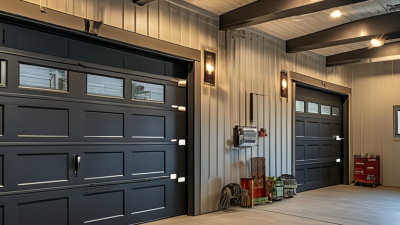
Steel remains a common choice because it resists impact and supports many panel designs. Galvanized steel performs better in humid or coastal locations. Aluminum is lighter and resists rust, although it can dent more easily.
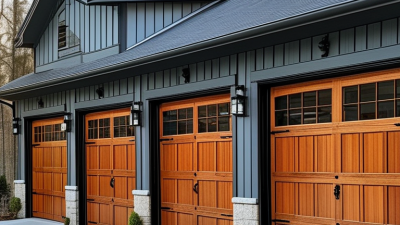
Wood adds warmth and custom character, but it needs regular sealing. Fiberglass can imitate wood with less routine maintenance. Glass panels improve daylight, yet they require careful privacy and heat-control planning.
Material selection should follow the building, climate, and daily traffic. Ask manufacturers for panel thickness, insulation values, cycle testing, hardware details, and installation drawings. Request physical samples, not only digital catalogs. Small differences matter. I have seen attractive doors fail because the tracks were poorly matched to the opening. Buyers should also check packaging, replacement-part access, and after-sales response times. A reliable factory explains limitations clearly. No door is perfect. Even a well-tested design may need adjustment when local weather, masonry, or installation habits differ.